A Court of Thorns and Roses by Sarah J. Maas book cover Featured Selection

7 Books Like A Court of Thorns and Roses

Author Sarah J. Maas Year 2020 Genre Fantasy Publisher Bloomsbury Publishing

Sarah J. Maas dropped A Court of Thorns and Roses in 2015 and single-handedly rewired what readers expect from fantasy romance. The story of Feyre, a mortal huntress dragged into a fae world of politics, power, and slow-burn desire, struck a nerve that still has not faded. If you tore through all five books and woke up with that specific ACOTAR hangover, you are far from alone. Millions of readers have gone looking for books like A Court of Thorns and Roses, and the good news is that the romantasy shelf has exploded since then.

Sarah J. Maas dropped A Court of Thorns and Roses in 2015 and single-handedly rewired what readers expect from fantasy romance. The story of Feyre, a mortal huntress dragged into a fae world of politics, power, and slow-burn desire, struck a nerve that still has not faded. If you tore through all five books and woke up with that specific ACOTAR hangover, you are far from alone. Millions of readers have gone looking for books like A Court of Thorns and Roses, and the good news is that the romantasy shelf has exploded since then.

What makes ACOTAR stick is the combination: enemies-to-lovers tension that actually earns its payoff, a heroine who grows harder and sharper across every book, fae courts dripping with intrigue, and real romantic heat once you hit the later installments. Finding books similar to A Court of Thorns and Roses means looking for that same cocktail of fantasy worldbuilding and relationship intensity. Some readers want more spice. Some want deeper politics. Some just want that feeling of falling for a dangerous love interest alongside the protagonist.

We have pulled together seven picks that hit different parts of the ACOTAR formula. A few are obvious choices you have probably already seen recommended. Others fly under the radar and deserve more attention. All of them will scratch the itch if you are chasing fae courts, forbidden romance, and heroines who refuse to stay down.

Books Similar To A Court of Thorns and Roses

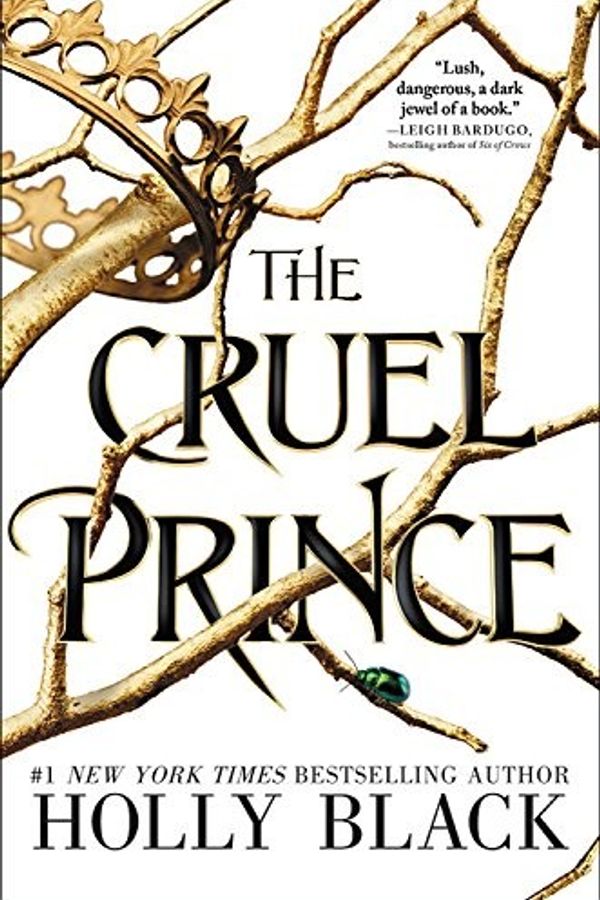
The Cruel Prince by Holly Black book cover

The Cruel Prince

Why it's similar

Holly Black writes fae the way they should be written: cruel, alien, and operating by rules that make no sense to humans. The Cruel Prince shares ACOTAR's central tension of a mortal woman fighting for survival and respect in a fae court that wants to chew her up. But where Feyre earns her place through trials and sacrifice, Jude claws hers through pure stubbornness and political scheming. The enemies-to-lovers dynamic with Cardan is vicious in a way that Feyre and Rhysand's never quite reaches. These two genuinely hate each other at the start, and Black never rushes past that.

I think readers who loved the Court of Dreams politics in ACOTAR will find even richer court intrigue here. Black builds her fae society with sharper teeth. The romance runs slower and meaner, which makes every small concession between Jude and Cardan land with real weight. If you read ACOTAR for the fae politics and the knife-edge romance more than the action sequences, The Cruel Prince will become a favorite fast.

From Blood and Ash by Jennifer L. Armentrout book cover

From Blood and Ash

Why it's similar

Jennifer L. Armentrout's From Blood and Ash is the recommendation you will see everywhere for ACOTAR readers, and it earns the spot. Poppy has lived her whole life behind a veil, told she is sacred, told she cannot be touched. When her new guard Hawke starts breaking every rule around her, the forbidden romance carries real stakes because Poppy's sheltered world has teeth. Like Feyre, she starts the story constrained and grows into someone dangerous.

The spice level here runs hotter than ACOTAR from the jump, so readers who wished Maas had turned up the heat earlier will appreciate Armentrout's pacing. The worldbuilding mixes vampiric mythology with political conspiracy in ways that keep the plot moving between the romantic scenes. I found the relationship between Poppy and Hawke scratches the same itch as Feyre and Rhysand: a heroine discovering her own power alongside a love interest who sees her clearly before she sees herself. The twists hit hard, and each book raises the stakes.

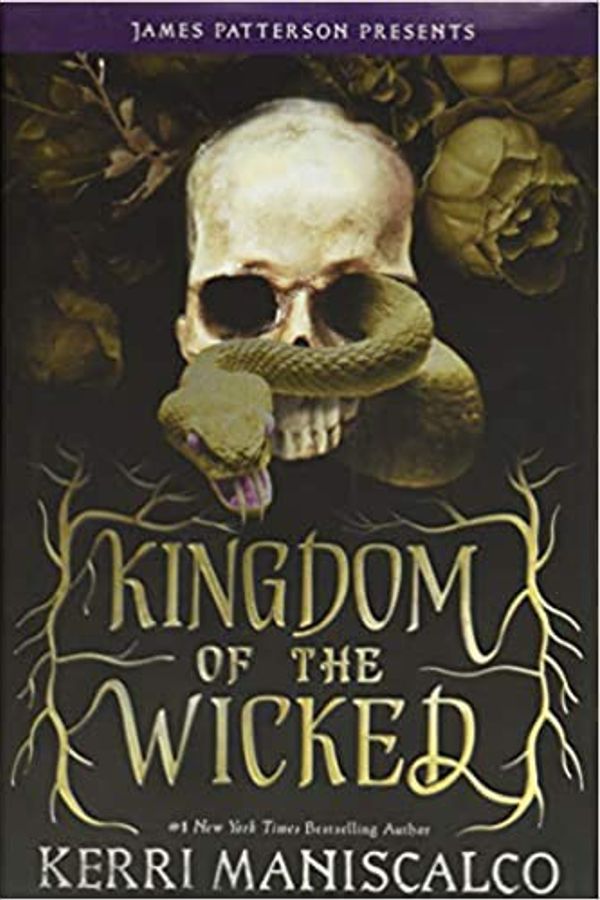
Kingdom of the Wicked by Kerri Maniscalco book cover

Kingdom of the Wicked

Why it's similar

Kerri Maniscalco brings something different to the romantasy table. Kingdom of the Wicked is set in 19th century Sicily, not a secondary fantasy world, and the magic system draws from Italian witch folklore and demonology. When Emilia's twin sister is murdered, she summons one of the demon princes of hell to help her find the killer. The dynamic between Emilia and Wrath runs on verbal sparring and mutual suspicion. He is not a fae prince.

He is a literal demon, and Maniscalco never lets you forget the danger in that attraction. What connects this to ACOTAR is the enemies-to-lovers arc built on genuine mistrust and a heroine discovering powers she did not know she had. Maniscalco's background writing historical mysteries shows in the plotting. The murder investigation gives the story a structural spine that pure romance sometimes lacks. Readers who loved the darker second half of ACOTAR, where the stakes get real and the romance gets complicated, will find that same energy here from chapter one.

The Serpent and the Wings of Night by Carissa Broadbent book cover

The Serpent and the Wings of Night

Why it's similar

Carissa Broadbent's The Serpent and the Wings of Night started as a self-published hit before word of mouth turned it into one of the biggest romantasy discoveries in recent years. Oraya is the only human living among vampires, adopted by the Nightborn king and raised to survive in a world built to kill her. When she enters a deadly tournament, she forms an uneasy alliance with a mysterious rival named Raihn. The setup will feel familiar to ACOTAR readers: a human woman in a supernatural world, forced into proximity with a dangerous male who is not what he seems. What sets Broadbent apart is how she handles Oraya's vulnerability.

This is not a heroine who magically powers up. She fights smart because she has to. The tournament structure gives the book a propulsive pace, and the romance between Oraya and Raihn builds through trust earned in combat. If you loved the Under the Mountain sequence in ACOTAR, where survival and attraction tangled together under pressure, this book captures that feeling and sustains it.

When the Moon Hatched by Sarah A. Parker book cover

When the Moon Hatched

Why it's similar

Sarah A. Parker's When the Moon Hatched is the hidden gem on this list. The worldbuilding alone sets it apart: fallen moons become dragons, and when dragons die, they become moons. It is strange and original in a genre that often recycles the same fae court template. The heroine, Raeve, is a fierce fighter carrying a past she has buried deep, and the king who wants to claim her is possessive in ways that will feel familiar to readers who enjoyed Rhysand's intensity.

I recommend this for ACOTAR readers who are tired of the same settings but still want that specific emotional frequency: a powerful heroine, a morally gray love interest, tension that builds across hundreds of pages. Parker's prose runs lyrical and dense, closer to high fantasy than the breezy style of most romantasy. The pacing demands patience, but the payoff rewards it. If you want something that feels new while still delivering the dragon mythology and slow-burn romance you came for, this is the one to pick up.

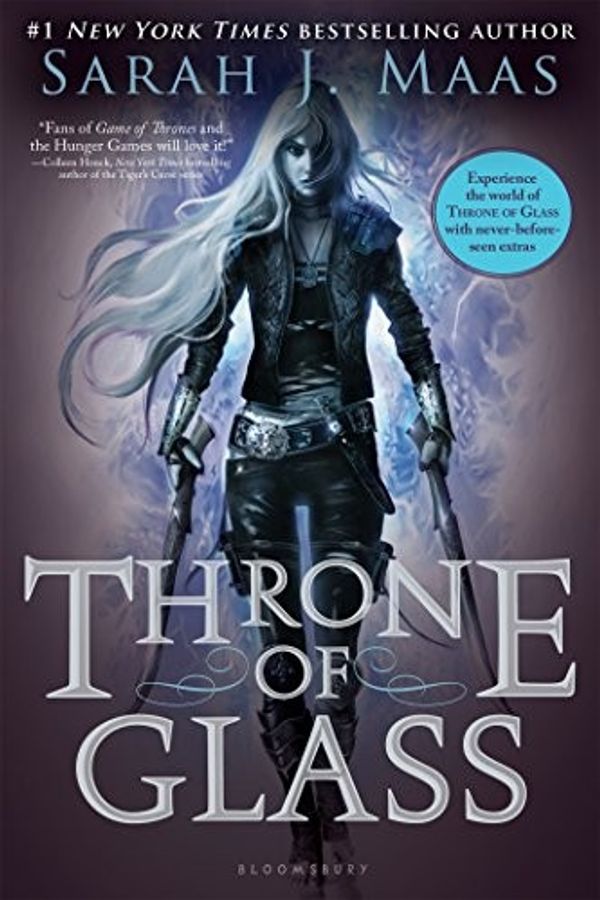
Throne of Glass by Sarah J. Maas book cover

Throne of Glass

Why it's similar

Recommending another Maas book feels obvious, but Throne of Glass scratches a different part of the ACOTAR itch. Celaena Sardothien is an assassin, not a painter, and the story opens with her dragged from a prison mine to compete in a tournament for the king who destroyed her life. The tone is darker and more action-forward than ACOTAR's early chapters. Celaena is brasher, funnier, and more immediately dangerous than Feyre at the start. The series builds across six books into something massive, with multiple POVs, continent-spanning wars, and a romance that does not settle where you expect it to.

Readers who loved how ACOTAR expanded from a small story into epic fantasy will find Throne of Glass does the same thing on an even larger scale. The enemies-to-lovers dynamics play out differently here, with a triangle that generates genuine debate among readers. I think of this as ACOTAR's older, meaner sibling. Same DNA, different personality, and worth the commitment.

Bride by Ali Hazelwood book cover

Bride

Why it's similar

Ali Hazelwood made her name in contemporary romance, so Bride caught people off guard. Misery Lark is a Vampyre outcast offered to the Alpha of a werewolf pack as a political bride. The paranormal romance setup echoes ACOTAR's arranged-proximity trope, but Hazelwood brings her signature dry humor and the whole thing reads faster and lighter. The banter between Misery and Lowe carries scenes the way Feyre and Rhysand's verbal sparring does in the later ACOTAR books. This is the pick for readers who want the supernatural politics and forced-proximity romance of ACOTAR but in a standalone package.

No six-book commitment. Hazelwood keeps the stakes personal rather than apocalyptic, which gives the romance room to breathe. The werewolf pack dynamics add a found-family element that mirrors the Inner Circle in satisfying ways. I think of Bride as a palate cleanser between bigger fantasy series. It delivers the tropes you want with a wink and a sharp sense of humor that Maas does not always aim for.

S

Sarah J. Maas

Explore More Books