Gone Girl by Gillian Flynn book cover Featured Selection

7 Books Like Gone Girl

Gillian Flynn's Gone Girl landed in 2012 and changed the rules of the psychological thriller. Nick and Amy Dunne's marriage collapses in the most public way possible when Amy disappears on their fifth anniversary and all evidence points to Nick. The alternating perspectives, the diary entries, and that midpoint twist turned the domestic thriller from a niche genre into a cultural event. The book sold over twenty million copies and spawned a David Fincher film because it tapped into something people rarely discuss out loud: how well do you actually know the person you married?

Gillian Flynn's Gone Girl landed in 2012 and changed the rules of the psychological thriller. Nick and Amy Dunne's marriage collapses in the most public way possible when Amy disappears on their fifth anniversary and all evidence points to Nick. The alternating perspectives, the diary entries, and that midpoint twist turned the domestic thriller from a niche genre into a cultural event. The book sold over twenty million copies and spawned a David Fincher film because it tapped into something people rarely discuss out loud: how well do you actually know the person you married?

If you are hunting for books like Gone Girl, you want unreliable narrators who make you question every page, marriages or relationships that curdle under scrutiny, and twists that reframe everything that came before. Books similar to Gone Girl share its willingness to put deeply flawed, sometimes despicable characters at the center and dare you to keep reading. Flynn writes with a cold, precise anger that few thriller writers can match.

These seven picks range from Flynn's own earlier work to standalone thrillers that approach the dark-marriage formula from different angles. Some go darker. Some play fairer with the reader. All of them understand that the scariest stories happen behind closed doors between people who promised to love each other.

Books Similar To Gone Girl

The Silent Patient by Alex Michaelides book cover

The Silent Patient

Why it's similar

Alex Michaelides's The Silent Patient is the post-Gone Girl thriller that earns its place through structural cleverness rather than shock value. Alicia Berenson, a famous painter, shoots her husband five times and then stops speaking entirely. Therapist Theo Faber becomes obsessed with getting her to talk. The dual narrative between Theo's investigation and Alicia's old diary entries mirrors Gone Girl's alternating perspectives, and the unreliable narration operates on a similar level of sophistication. What connects these two books is the way they use structure as misdirection.

Flynn taught readers to distrust the narrator, and Michaelides takes that lesson and builds a different kind of trap. The pacing is tighter than Gone Girl. The book runs shorter and leaner, which means every scene carries weight. I recommend this for readers who loved Gone Girl's twist architecture and want another book that plays fair with its clues while still landing a gut punch. The ending recontextualizes the entire story, which is exactly what Flynn trained us to expect from the best thrillers.


The Girl on the Train by Paula Hawkins book cover

The Girl on the Train

Why it's similar

Paula Hawkins's The Girl on the Train rode the Gone Girl wave and became a phenomenon on its own terms. Rachel watches a couple from her commuter train window every day, imagining their perfect life. When the woman Rachel has been watching disappears, she inserts herself into the investigation. The unreliable narrator here is unreliable for a different reason than Amy: Rachel is an alcoholic whose memory has holes in it, and she cannot trust her own perceptions. Hawkins uses three female narrators whose accounts overlap and contradict, building the same uneasy feeling Gone Girl creates with Nick and Amy's competing versions of truth.

The domestic setting is sharper here, focused on suburban claustrophobia and the way people perform normalcy while falling apart. I think this works for Gone Girl readers because it takes the same basic question, what is really happening inside this relationship, and approaches it from the outside looking in. Rachel is watching a marriage she does not understand, and neither are we. The mystery unravels at a pace that keeps pages turning.

Sharp Objects by Gillian Flynn book cover

Sharp Objects

Why it's similar

Flynn's own debut novel Sharp Objects is darker, meaner, and more personal than Gone Girl. Journalist Camille Preaker returns to her small Missouri hometown to cover the murders of two young girls. The investigation forces her back into proximity with her manipulative mother Adora and her unsettling half-sister Amma. Flynn writes family dysfunction as a horror story, and the southern Gothic atmosphere gives every scene a sticky, suffocating quality. Where Gone Girl dissects a marriage, Sharp Objects dissects a mother-daughter relationship that has been poisonous from birth.

The unreliable narration works differently here: Camille is not lying to the reader so much as struggling to see clearly through her own trauma. Flynn's prose is at its most controlled and cutting. Each chapter peels back another layer of damage. I recommend this for readers who loved Gone Girl's willingness to write women as complicated and dangerous but want something that hits closer to bone. Sharp Objects is a smaller, uglier book, and that is exactly what makes it stick.

Fates and Furies by Lauren Groff book cover

Fates and Furies

Why it's similar

Lauren Groff's Fates and Furies stands apart from the other books on this list because it is literary fiction first and a thriller second. The first half tells the story of a golden marriage through the husband Lotto's eyes: romantic, generous, full of light. The second half shifts to his wife Mathilde's perspective and systematically demolishes everything you thought you knew. The structure directly echoes Gone Girl's dual narrative, but Groff operates at a higher literary register. What makes this pairing work is the shared obsession with how marriages contain two completely different stories.

Flynn uses thriller mechanics to reveal the gap between public performance and private truth. Groff uses literary technique. The result is a book that asks the same questions Gone Girl does, how well can you know another person, and what are the costs of building a life on incomplete information, but answers them with more ambiguity and more grace. I recommend Fates and Furies for Gone Girl readers who want the emotional shock without the genre scaffolding.

Behind Closed Doors by B.A. Paris book cover

Behind Closed Doors

Why it's similar

B.A. Paris's Behind Closed Doors takes the dark-marriage thriller and strips away all ambiguity. Jack and Grace Angel appear to be the perfect couple. He is charming and successful. She is warm and beautiful. Every neighbor envies them. But from the first chapter, Paris lets you see inside their home, and what you see is a horror story disguised as domestic fiction.

There is no mystery about whether the husband is a monster. The question is how Grace will survive him. This is the recommendation for Gone Girl readers who want the dread without the puzzle. Paris builds tension through claustrophobic control: Jack manages every aspect of Grace's life with the precision of a warden running a prison. The writing is clean and direct, closer to a thriller than literary fiction, which keeps the pacing relentless. Where Flynn plays with ambiguity and makes you wonder who to root for, Paris puts you firmly in Grace's corner and makes you wonder if she will get out. It is a different flavor of domestic nightmare, but it will land hard with anyone who felt their stomach tighten reading Gone Girl.

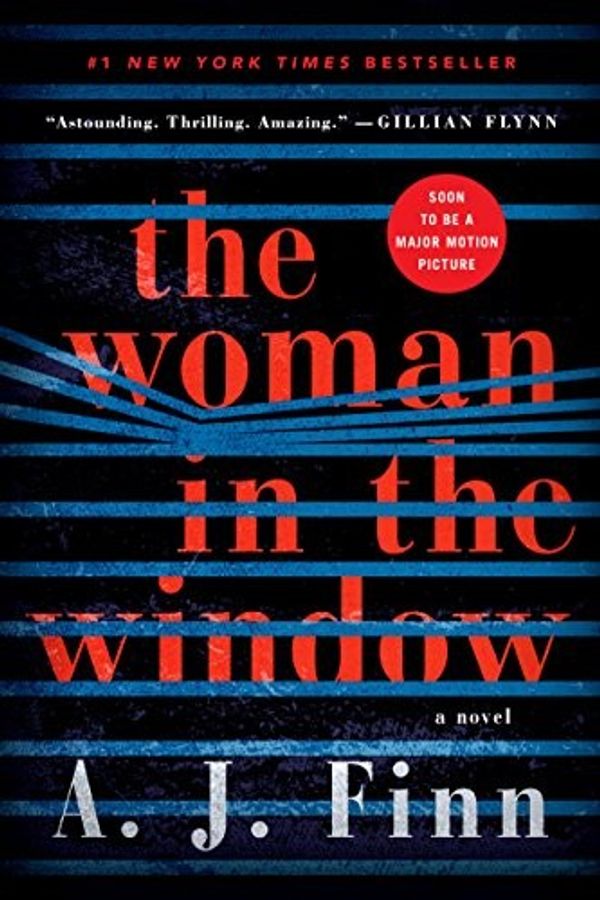
The Woman in the Window by A.J. Finn book cover

The Woman in the Window

Why it's similar

A.J. Finn's The Woman in the Window borrows from the Hitchcock playbook that Flynn also draws from. Anna Fox is agoraphobic, spending her days drinking wine, watching old movies, and spying on her neighbors through the window. When she witnesses what she thinks is a violent crime in the house across the street, no one believes her. The unreliable narrator here is unreliable because of medication, alcohol, and isolation, which creates a different kind of uncertainty than Amy Dunne's calculated deception.

The book plays with the gap between perception and reality, which is Gone Girl's central theme approached from a psychological rather than marital angle. Anna cannot trust what she sees, and neither can we. Finn layers twists in the back half that force you to reassess earlier scenes, the same structural trick Flynn uses when Amy's diary entries suddenly shift context. I recommend this for Gone Girl readers who enjoy narrators whose grip on reality keeps slipping. The confined setting amplifies the paranoia, and the mystery keeps you guessing until the final chapters.

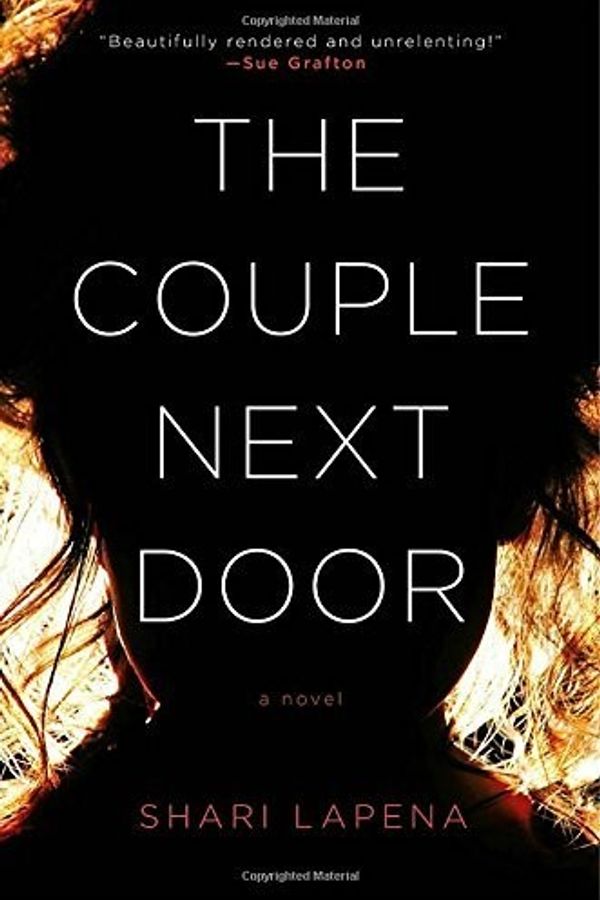
The Couple Next Door by Shari Lapena book cover

The Couple Next Door

Why it's similar

Shari Lapena's The Couple Next Door opens with every parent's worst nightmare: Anne and Marco Conti go to a dinner party next door and leave their baby sleeping with a monitor. When they come back, the crib is empty. The police investigation peels back the Contis' marriage layer by layer, revealing debts, affairs, and family tensions that none of the neighbors suspected. Like Gone Girl, the book shows how a crisis strips away the performance of a happy relationship. Lapena writes short, punchy chapters that rotate between perspectives, building suspicion against multiple characters simultaneously.

The pacing is faster than Flynn's, and the twists come more frequently, though they land with less literary precision. What connects this to Gone Girl is the fundamental distrust of every character's version of events. Each new revelation makes you question what you thought you knew about the Contis and their families. I recommend this for readers who loved Gone Girl's domestic suspense and want a faster, tighter version focused on the terrifying question of what happens when the people closest to you are hiding secrets that could destroy everything.

G

Gillian Flynn

Explore More Books