It Ends with Us by Colleen Hoover book cover Featured Selection

7 Books Like It Ends with Us

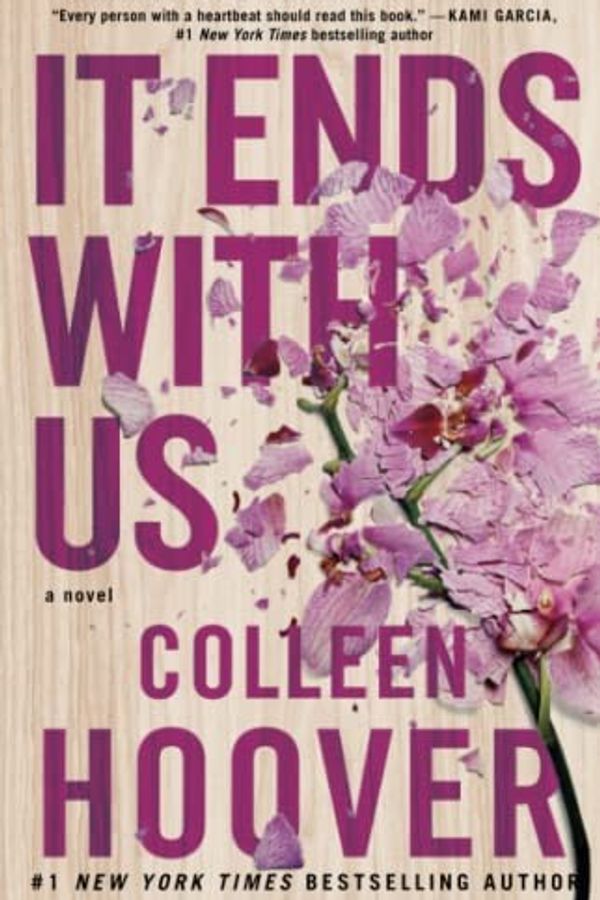
Colleen Hoover wrote It Ends with Us as a romance that pulls the rug out from under you. It starts with the familiar beats of a love story. Lily Blossom Bloom meets a neurosurgeon. They fall hard and fast. Then the book shifts into something much darker and more honest about the cycle of domestic violence. Hoover based elements of the story on her own mother's experience, and that personal anchor keeps the book from ever feeling exploitative. It treats its subject with the kind of specificity that only comes from proximity. If you finished it feeling wrung out and wanting more books like It Ends with Us, you are looking for contemporary romance that does not flinch from difficult realities.

Colleen Hoover wrote It Ends with Us as a romance that pulls the rug out from under you. It starts with the familiar beats of a love story. Lily Blossom Bloom meets a neurosurgeon. They fall hard and fast. Then the book shifts into something much darker and more honest about the cycle of domestic violence. Hoover based elements of the story on her own mother's experience, and that personal anchor keeps the book from ever feeling exploitative. It treats its subject with the kind of specificity that only comes from proximity. If you finished it feeling wrung out and wanting more books like It Ends with Us, you are looking for contemporary romance that does not flinch from difficult realities.

Books similar to It Ends with Us walk a narrow line. They need real emotional weight without becoming trauma porn. They need romance that feels genuine even when the relationship turns toxic. And they need to respect their characters enough to give them agency in impossible situations. The seven picks below range from other Hoover novels to completely different authors who tackle love, loss, and hard choices with the same unflinching honesty. Some will make you cry on public transit. Fair warning.

Books Similar To It Ends with Us

Ugly Love by Colleen Hoover book cover

Ugly Love

Why it's similar

Ugly Love runs on the same emotional engine as It Ends with Us but points it in a different direction. Tate Collins meets airline pilot Miles Archer when he passes out drunk outside her door. They agree to a no-strings physical relationship. He has two rules: never ask about his past, never expect a future. Hoover splits the narrative between present-day chapters from Tate's perspective and past chapters from Miles's perspective, written in fragmented, poetic prose that slowly reveals what broke him.

That dual timeline technique mirrors the diary entries in It Ends with Us, where Lily's teenage voice fills in the backstory. Both books use structural tricks to control when readers learn the truth, and both deploy that truth like a gut punch. The romance is rawer here, more physical, and the male lead is harder to root for early on. But Hoover brings the same commitment to showing how trauma shapes the way people love. Readers who trusted Hoover with Lily's story will recognize the same emotional honesty here, applied to a man who locked his feelings behind concrete walls.

Elements in common with It Ends with Us

  • Dual timeline revealing trauma
  • No-strings romance with complications
  • Colleen Hoover's emotional directness
  • Past trauma shaping present love
Verity by Colleen Hoover book cover

Verity

Why it's similar

Verity is what happens when Colleen Hoover takes her understanding of toxic relationships and funnels it into a psychological thriller. Lowen Ashleigh, a struggling writer, is hired to finish the remaining books in a bestselling series after the author Verity Crawford is injured. While working in Verity's home office, Lowen finds a hidden autobiographical manuscript that contains disturbing revelations. The connection to It Ends with Us runs deeper than shared authorship. Both books examine what happens when you discover the person you trusted is capable of terrible things. Both use a discovered document as the mechanism for revelation. And both force the protagonist to choose between comfortable lies and devastating truths. The tone is completely different.

It Ends with Us operates in emotional realism. Verity operates in horror-adjacent suspense. Hoover writes the thriller mechanics with the same instinct for pacing that makes her romances work. Short chapters. Cliffhanger endings. A protagonist whose reactions feel natural rather than genre-convenient. Readers who want to see Hoover's talents applied to a darker canvas will find Verity scratches an itch they did not know they had.

Elements in common with It Ends with Us

  • Discovered document reveals truth
  • Trust and betrayal
  • Colleen Hoover's pacing
  • Female protagonist in danger
Me Before You by Jojo Moyes book cover

Me Before You

Why it's similar

Jojo Moyes wrote Me Before You with the same willingness to let a love story end in a way that breaks your heart. Louisa Clark takes a job caring for Will Traynor, a wealthy man paralyzed from the neck down after an accident. They fall in love. But Will has made a decision about his future that Louisa cannot accept. The parallel to It Ends with Us is structural. Both novels build a love story that the reader invests in completely, then force the characters to make choices that defy the expected romantic ending. Moyes writes with a British dryness that contrasts with Hoover's more direct American emotional style.

Louisa is funnier than Lily, more self-deprecating, and her working-class background adds a class dimension that Hoover's book does not address. But the emotional contract is the same. You will fall for this couple. You will want them to work. And the ending will test whether you believe love means accepting someone else's right to choose their own path. If It Ends with Us left you thinking about what it means to truly love someone, Me Before You asks the same question from a completely different direction.

Elements in common with It Ends with Us

  • Love story with heartbreaking choice
  • Caretaker romance dynamic
  • First-person female narrator
  • Challenging romantic expectations
The Notebook by Nicholas Sparks book cover

The Notebook

Why it's similar

Nicholas Sparks wrote The Notebook before Colleen Hoover was publishing, and it set the template for the kind of emotionally devastating love story that It Ends with Us builds on. Noah Calhoun and Allie Nelson fall in love one summer in the 1940s, are separated by class and family pressure, and reunite years later. An elderly Noah reads their story to Allie, now suffering from dementia, in a nursing home. Sparks writes with a simplicity that some readers find manipulative and others find honest. His prose does not have Hoover's edge. He is gentler with his characters, more willing to let moments of sweetness exist without immediate complication.

But the emotional mechanics work. The framing device of the older Noah reading to Allie gives the entire love story a weight of accumulated time that mirrors the diary entries in It Ends with Us. Both books understand that love is not just about the falling. It is about what you do when circumstances try to tear you apart. Readers who cried over Lily's choices will find a different kind of tears here, the kind that come from watching love persist across decades.

Elements in common with It Ends with Us

  • Enduring love across obstacles
  • Framing device reveals past
  • Class and family barriers
  • Emotionally direct prose
Seven Days in June by Tia Williams book cover

Seven Days in June

Why it's similar

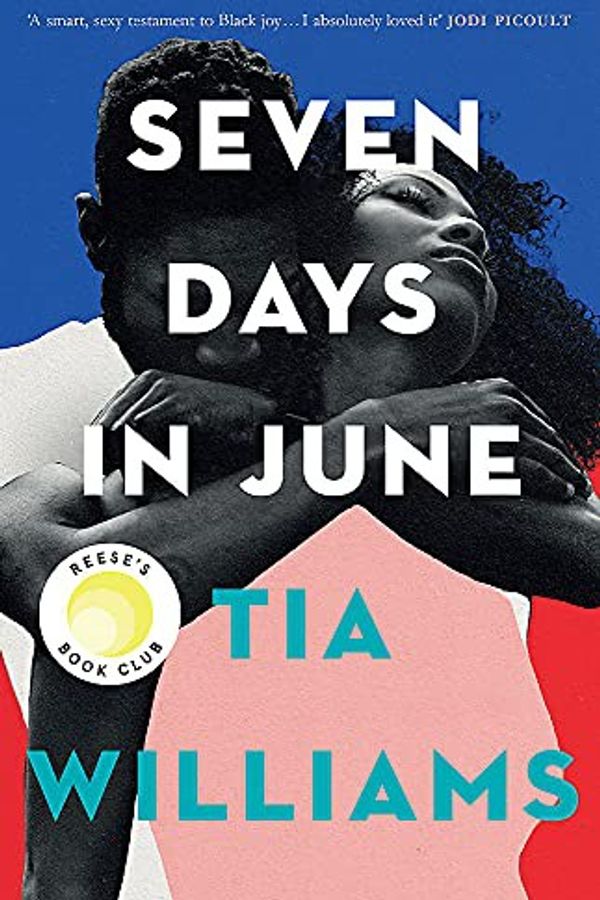
Tia Williams wrote Seven Days in June with the same understanding Hoover brings to It Ends with Us: that your past does not just inform your present relationships, it lives inside them. Eva Mercy and Shane Hall are both bestselling authors who shared one intense week together as teenagers and never recovered. Fifteen years later, they meet at a literary event. Old pain resurfaces alongside old desire. Williams writes Black romance with a specificity that sets this apart from Hoover's work. Eva and Shane exist in particular neighborhoods, particular communities, and their cultural context shapes how they love.

The parallel to It Ends with Us lies in the treatment of trauma. Both Eva and Shane carry wounds from their adolescence that dictate their adult patterns. Williams structures the reveals the same way Hoover does, letting the reader learn what happened in the past at exactly the moment it will hit hardest. The writing is sharper and funnier than Hoover's, with more pop culture references and witty dialogue. Readers who valued how It Ends with Us linked childhood trauma to adult relationship patterns will find Seven Days in June working the same territory with a warmer, more romantic touch.

Elements in common with It Ends with Us

  • Past trauma driving present relationships
  • Teenage love revisited as adults
  • Writers as protagonists
  • Timed revelations for emotional impact
Love and Other Words by Christina Lauren book cover

Love and Other Words

Why it's similar

Christina Lauren's Love and Other Words uses the dual timeline structure that Hoover deploys in It Ends with Us, alternating between a childhood friendship and an adult reunion. Macy and Elliot grew up as next-door summer friends. He introduced her to a world of books and words after her mother died. Then something happened between them that Macy has refused to discuss for eleven years. Now they have collided again, and the past demands to be addressed. The alternating chapters between young Macy and adult Macy create the same slow reveal that Lily's diary entries create in It Ends with Us. You read the present wondering what went wrong. You read the past knowing that something will.

Lauren writes with more sweetness than Hoover. This is a gentler book. The central wound is betrayal rather than violence. But the structural approach is identical. Build a love story in one timeline. Complicate it in another. Trust the reader to hold both versions simultaneously. Readers who appreciated how It Ends with Us used flashbacks to recontextualize the present will find the same technique used with equal skill here, applied to a story that earns its happy ending.

Elements in common with It Ends with Us

  • Dual timeline structure
  • Childhood connection revisited
  • Loss and grief shaping love
  • Slow reveal of past betrayal
Maybe Someday by Colleen Hoover book cover

Maybe Someday

Why it's similar

Maybe Someday is the Hoover novel I recommend to readers who want to see how she handles a morally complicated love story without the darkness of It Ends with Us. Sydney discovers her boyfriend and best friend are sleeping together and ends up crashing with her musician neighbor Ridge. They start writing songs together. The creative collaboration turns romantic. The problem is that Ridge already has a girlfriend. Hoover refuses to make the situation simple. Ridge is not a villain. His girlfriend is not a villain.

Sydney is not a saint. Everyone involved is trying to do the right thing while wanting the wrong thing. That moral messiness connects directly to what makes It Ends with Us work. Hoover does not sort her characters into heroes and villains. She writes people making impossible choices with imperfect information. The music element adds a dimension that sets this apart from her other books. She released an original soundtrack alongside the novel, written by musician Griffin Peterson. It is a lighter read than It Ends with Us but carries the same refusal to offer easy answers about love and loyalty.

Elements in common with It Ends with Us

  • Morally complex love triangle
  • Creative collaboration as intimacy
  • No clear villains
  • Colleen Hoover's refusal of easy answers
C

Colleen Hoover

Explore More Books