Similar To Books
A Wizard of Earthsea by Ursula K. Le Guin book cover Featured Selection

7 Books Like A Wizard of Earthsea

Author Ursula K. Le Guin Year 1968

Ursula K. Le Guin's A Wizard of Earthsea set the standard for coming-of-age fantasy when it appeared in 1968. The story of Ged, a young goatherd who discovers his gift for magic and trains at a school for wizards, predates the modern magic-school trope by decades. Le Guin's spare, poetic prose and her interest in balance, shadow, and self-knowledge give the book a weight that most fantasy never achieves. If you loved it, you are probably looking for books like A Wizard of Earthsea that treat magic as something earned and dangerous rather than flashy.

Ursula K. Le Guin's A Wizard of Earthsea set the standard for coming-of-age fantasy when it appeared in 1968. The story of Ged, a young goatherd who discovers his gift for magic and trains at a school for wizards, predates the modern magic-school trope by decades. Le Guin's spare, poetic prose and her interest in balance, shadow, and self-knowledge give the book a weight that most fantasy never achieves. If you loved it, you are probably looking for books like A Wizard of Earthsea that treat magic as something earned and dangerous rather than flashy.

The best books similar to A Wizard of Earthsea share its respect for language, its fascination with the cost of power, and its willingness to let a young protagonist fail. Some lean into epic quest structures while others stay intimate and character-driven. All of them treat their fantasy worlds as living places with histories, ecologies, and cultures that feel real. Below you will find seven recommendations that scratch the same itch from different angles.

Books Similar To A Wizard of Earthsea

The Name of the Wind by Patrick Rothfuss book cover

The Name of the Wind

Why it's similar

Patrick Rothfuss shares Le Guin's obsession with the true names of things. In The Name of the Wind, Kvothe studies at the University where naming is the highest discipline, a direct echo of Roke's curriculum. Both authors build magic systems rooted in language and understanding rather than fireballs and spectacle. Rothfuss writes in first person with a lush, self-aware style that differs from Le Guin's restraint, but the emotional core is the same: a gifted boy whose talent outpaces his wisdom, making costly mistakes he will spend years trying to fix.

Readers who want that combination of lyrical prose and a magic school that feels academic and rigorous will find a natural home here. I think of Kvothe as Ged's chattier, more reckless cousin. Where Ged turns inward, Kvothe performs. The contrast is fun, but the shared DNA is unmistakable.

Elements in common with A Wizard of Earthsea

  • Magic school setting
  • True names as power
  • Coming-of-age arc
  • Lyrical prose
Buy on Amazon
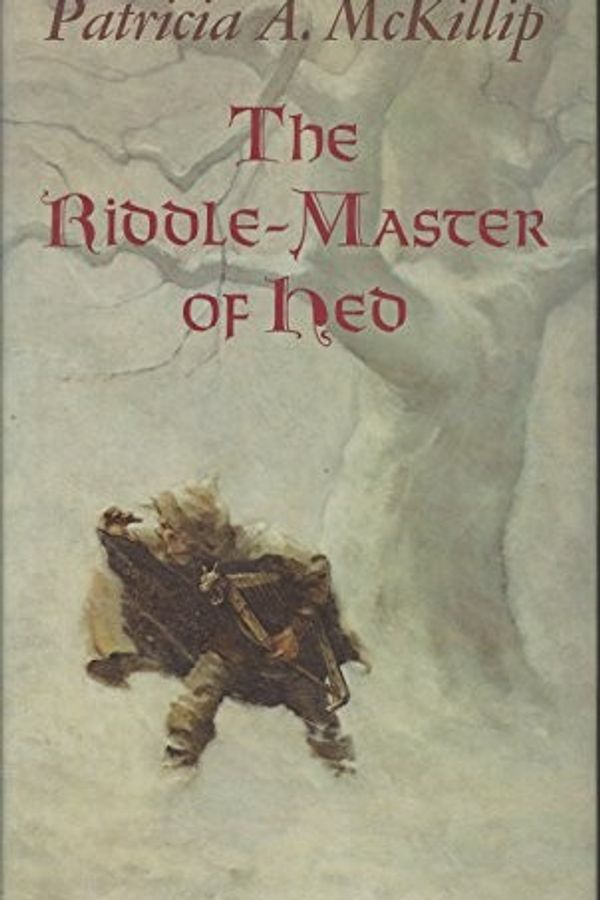
The Riddle-Master of Hed by Patricia McKillip book cover

The Riddle-Master of Hed

Why it's similar

Patricia McKillip's The Riddle-Master of Hed is the closest tonal match to Earthsea in all of fantasy. Morgon of Hed is a quiet, reluctant hero in a world where riddles hold power and identity is something you puzzle out rather than assert. McKillip's prose has the same crystalline quality as Le Guin's, each sentence polished down to exactly what it needs to say. Both stories treat their protagonists' quests as internal as much as external.

Morgon carries three stars on his forehead and has no idea what they mean. His search for answers takes him across a world of land-rulers and shape-changers that feels ancient and lived-in. If Earthsea left you hungry for fantasy that values stillness and mystery over combat and conquest, McKillip delivers. Her trilogy rewards patience and attention the same way Le Guin does.

Elements in common with A Wizard of Earthsea

  • Poetic prose style
  • Reluctant hero archetype
  • Identity as central theme
  • Quiet worldbuilding
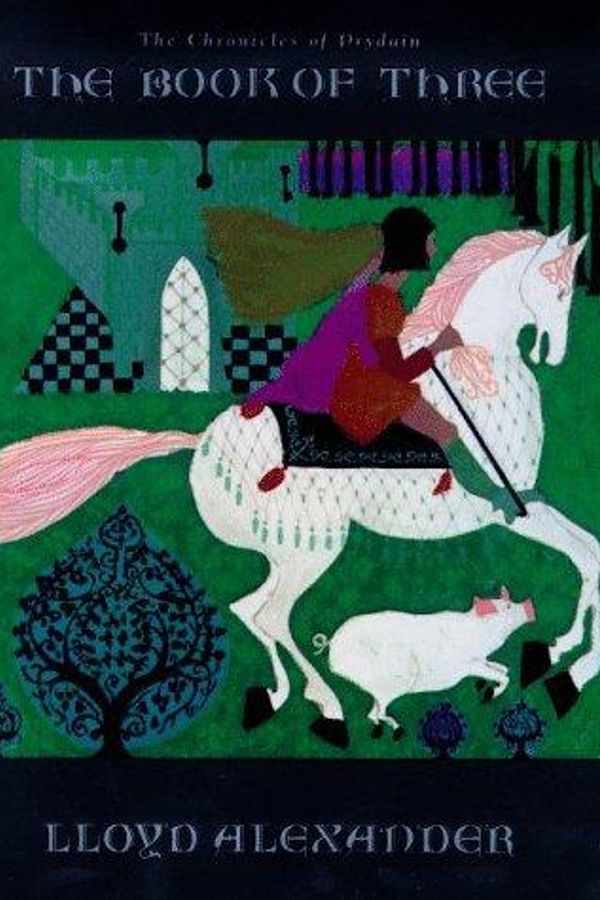
The Book of Three by Lloyd Alexander book cover

The Book of Three

Why it's similar

Lloyd Alexander wrote The Book of Three in 1964, just four years before Earthsea, and both books drink from the same well of mythology and folklore. Taran is an Assistant Pig-Keeper who dreams of glory, and like Ged, he learns that heroism costs more than he imagined. Alexander's tone is lighter and funnier than Le Guin's, with a Tolkien-by-way-of-Wales flavor that keeps things moving briskly. But beneath the adventure, the same questions simmer: What does it mean to grow up?

What do you owe the people around you? The Prydain Chronicles grow darker and more complex with each volume, much like the Earthsea Cycle does. Readers who came to Earthsea young and want another series that matures alongside its hero will find exactly that here. Alexander never talks down to his audience, and that respect for the reader is something he and Le Guin share completely.

Elements in common with A Wizard of Earthsea

  • Coming-of-age quest
  • Mythology and folklore roots
  • Series that matures with its hero
  • Respect for young readers
The Left Hand of Darkness by Ursula K. Le Guin book cover

The Left Hand of Darkness

Why it's similar

If you want to stay with Le Guin but shift from fantasy to science fiction, The Left Hand of Darkness is the place to go. It shares Earthsea's interest in balance and duality but examines those themes through gender and politics on a frozen planet called Gethen. The prose is the same careful, luminous Le Guin voice. The structure even mirrors Earthsea in places: a stranger arrives in an unfamiliar culture and must learn its rules or die.

Genly Ai's stubbornness recalls Ged's pride, and both characters pay for their assumptions. Le Guin believed that understanding the other was the central human task, and both books dramatize that belief in different settings. This is the ideal next read for anyone who loved Earthsea's philosophical depth and wants to see what happens when Le Guin turns that lens on our own assumptions about identity.

Elements in common with A Wizard of Earthsea

  • Le Guin's prose voice
  • Themes of balance and duality
  • Stranger in unfamiliar culture
  • Philosophical depth
Assassin's Apprentice by Robin Hobb book cover

Assassin's Apprentice

Why it's similar

Robin Hobb's Assassin's Apprentice follows Fitz, a royal bastard trained as both an assassin and a user of two competing magic systems. Like Ged, Fitz is gifted and reckless, and the story is deeply concerned with what magic costs. Hobb writes in first person with an emotional intensity that can be devastating. The Skill and the Wit, her two magic traditions, feel as grounded and rule-bound as Le Guin's naming magic.

Where Earthsea keeps its pain at a certain poetic distance, Hobb leans all the way in, and you feel every bruise Fitz takes. This is a pick for readers who want Earthsea's seriousness and its fascination with a young mage's education but want to feel the stakes in their gut. The Six Duchies world is rich and detailed, and Fitz's voice stays with you long after you close the book.

Elements in common with A Wizard of Earthsea

  • Young mage's training
  • Magic with real costs
  • First-person narration
  • Rich worldbuilding
The Last Unicorn by Peter S. Beagle book cover

The Last Unicorn

Why it's similar

Peter S. Beagle's The Last Unicorn occupies the same literary shelf as Earthsea: both are fantasies written with the precision and beauty of poetry, and both are interested in mortality, identity, and transformation. Beagle's unicorn sets out to find where the other unicorns have gone, and along the way she is changed into something she was never meant to be. The bittersweet tone matches Le Guin's perfectly.

Neither author is interested in simple good-versus-evil conflicts. Both create worlds where loss is real and permanent, where choosing to act means accepting consequences. Readers who respond to Earthsea's melancholy and grace will find the same qualities here in a shorter, more fable-like form. I return to The Last Unicorn almost as often as I return to Earthsea, and they sit together on my shelf for a reason.

Elements in common with A Wizard of Earthsea

  • Poetic literary fantasy
  • Themes of identity and transformation
  • Melancholy tone
  • Fable-like structure
The Colour of Magic by Terry Pratchett book cover

The Colour of Magic

Why it's similar

Terry Pratchett's The Colour of Magic is a sharp left turn from Earthsea in tone, but it shares a deep understanding of how fantasy worlds work. Pratchett built Discworld by loving and laughing at the same tropes Le Guin used with a straight face. Rincewind is a failed wizard in a world that runs on narrative logic, and the comedy comes from how seriously the world takes its own absurdity. This is a pick for Earthsea readers who want to see the genre from another angle entirely.

Pratchett respects the same traditions Le Guin draws from but pokes at them with affection and wit. If you read Earthsea and thought the wizards of Roke took themselves a bit seriously, Pratchett agrees with you. The Discworld series grows richer and more emotionally complex as it goes, much like Earthsea does, and beneath the jokes, Pratchett cares about the same big questions.

Elements in common with A Wizard of Earthsea

  • Wizard protagonist
  • Deep genre knowledge
  • Series that deepens over time
  • Fully realized fantasy world
U

Ursula K. Le Guin

Explore More Books