Similar To Books
Howl's Moving Castle by Diana Wynne Jones book cover Featured Selection

7 Books Like Howl's Moving Castle

Author Diana Wynne Jones Year 1986 Genre Comedy

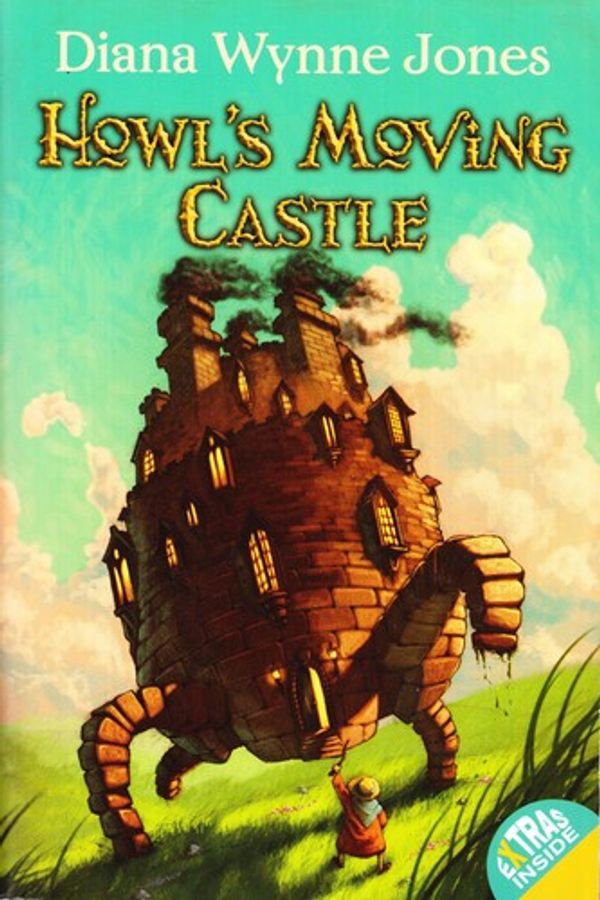
Diana Wynne Jones wrote Howl's Moving Castle in 1986 and created one of fantasy's most charming love stories in the process. Sophie Hatter, cursed into the body of an old woman, moves into the castle of the vain wizard Howl and proceeds to organize his chaotic life while breaking her own curse. Jones's signature style blends dry British humor with genuine magic, and her plots twist in ways that feel inevitable only after you have finished the last page. Readers looking for books like Howl's Moving Castle tend to want that same mix of wit, warmth, and wonder.

Diana Wynne Jones wrote Howl's Moving Castle in 1986 and created one of fantasy's most charming love stories in the process. Sophie Hatter, cursed into the body of an old woman, moves into the castle of the vain wizard Howl and proceeds to organize his chaotic life while breaking her own curse. Jones's signature style blends dry British humor with genuine magic, and her plots twist in ways that feel inevitable only after you have finished the last page. Readers looking for books like Howl's Moving Castle tend to want that same mix of wit, warmth, and wonder.

The best books similar to Howl's Moving Castle share its delight in subverting fairy-tale conventions while still delivering on their emotional promises. They feature clever protagonists who solve problems with brains and stubbornness rather than swords, romances that grow from bickering into something real, and magic that feels playful and surprising. Whether you want atmospheric fantasy, genre-bending humor, or just another book that makes you smile at three in the morning, these seven picks deliver.

Books Similar To Howl's Moving Castle

The Night Circus by Erin Morgenstern book cover

The Night Circus

Why it's similar

Erin Morgenstern's The Night Circus wraps a love story inside an impossible competition inside a circus that only opens at night. Like Howl's Moving Castle, it builds its world through accumulating magical details rather than info dumps. The circus tents echo Howl's castle rooms: each one a self-contained wonder that follows its own logic. Both books use magic to externalize their characters' emotions. Howl's castle moves because he is restless.

The Night Circus transforms because Celia and Marco pour their feelings into it. Readers who love the atmospheric, sensory quality of Jones's writing will sink into Morgenstern's prose the same way. This is fantasy as mood and texture rather than plot machinery. The romance unfolds at its own pace, built on gestures and creations rather than declarations, and that patient approach to love will feel familiar to anyone who watched Sophie and Howl circle each other.

Elements in common with Howl's Moving Castle

  • Atmospheric magical settings
  • Romance built through indirect gestures
  • Whimsical worldbuilding
  • Magic tied to emotion
Buy on Amazon
Piranesi by Susanna Clarke book cover

Piranesi

Why it's similar

Susanna Clarke's Piranesi takes place in a house of infinite halls filled with statues and tides. Like Howl's castle, the House is a character in its own right, strange and beautiful and operating by rules its inhabitants do not fully understand. Both books center on protagonists who are not quite what they seem. Sophie does not know what she is capable of. Piranesi does not know who he is.

The pleasure comes from watching them figure it out. Clarke writes with a calm, precise clarity that recalls Jones's own narrative control. Neither author wastes words. Piranesi is shorter and stranger than Howl's Moving Castle, but it delivers the same sense of stepping into a space where the walls might rearrange themselves at any moment. For readers who loved the shifting, surprising architecture of Howl's castle, this is the natural next stop.

Elements in common with Howl's Moving Castle

  • Magical architecture as character
  • Protagonist discovering their true self
  • Precise elegant prose
  • Mystery woven into worldbuilding
The Amulet of Samarkand by Jonathan Stroud book cover

The Amulet of Samarkand

Why it's similar

Jonathan Stroud's The Amulet of Samarkand shares Howl's Moving Castle's love of sarcastic magical characters who are smarter than everyone around them and know it. Bartimaeus the djinni narrates his sections with the same self-satisfied wit that Howl uses to dodge responsibility. Both books pair that arrogance with genuine vulnerability underneath. Nathaniel, the young magician who summons Bartimaeus, has the same stubborn resourcefulness as Sophie.

Stroud builds an alternate London where magicians rule through bound spirits, and the political satire gives the comedy real teeth. Jones always had a sharp eye for power and its misuse, and Stroud works in the same vein. If you read Howl's Moving Castle and wanted more fantasy that is funny on the surface and surprisingly smart underneath, the Bartimaeus trilogy delivers exactly that.

Elements in common with Howl's Moving Castle

  • Sarcastic magical characters
  • Sharp humor masking depth
  • Stubborn resourceful protagonists
  • Magic with clear rules and costs
Nevermoor: The Trials of Morrigan Crow by Jessica Townsend book cover

Nevermoor: The Trials of Morrigan Crow

Why it's similar

Jessica Townsend's Nevermoor follows Morrigan Crow, a cursed girl whisked away to a magical city where she must compete in trials to earn her place. The tone lands squarely in Diana Wynne Jones territory: whimsical but not saccharine, with real stakes beneath the charm. Townsend builds Nevermoor the way Jones builds her worlds, through specific delightful details that accumulate into something larger. Both authors understand that the best fantasy cities feel like places you could get lost in happily. Morrigan has Sophie's practicality and determination.

Jupiter North, her mysterious patron, has more than a little of Howl's dramatic flair. This is a middle-grade book, but like Howl's Moving Castle, it does not condescend. Readers of any age who want that feeling of discovering a magical world for the first time will find it here. The series keeps getting better as it goes.

Elements in common with Howl's Moving Castle

  • Whimsical magical city
  • Determined protagonist proving herself
  • Dramatic mentor figure
  • Sense of wonder without condescension
The Eyre Affair by Jasper Fforde book cover

The Eyre Affair

Why it's similar

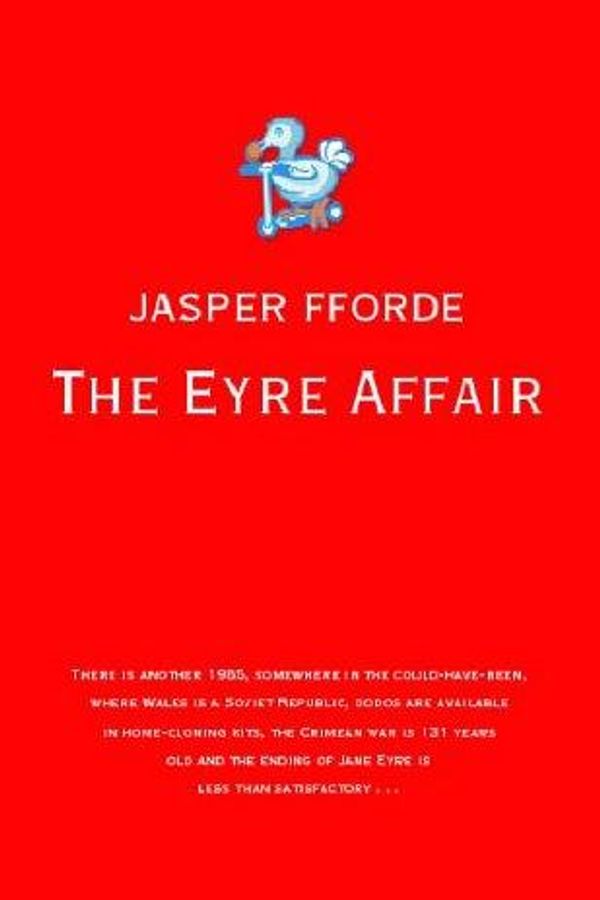
Jasper Fforde's The Eyre Affair drops detective Thursday Next into a world where literature is taken so seriously that people forge Dickens manuscripts and kidnap fictional characters. Like Diana Wynne Jones, Fforde builds a world where the absurd is taken completely seriously, and the comedy comes from that commitment. Both authors reward well-read audiences with layers of reference and allusion without alienating newcomers. Thursday is pragmatic, brave, and a bit impatient with nonsense, which places her in the same category as Sophie Hatter.

The genre-blending spirit is identical to Jones's work. Howl's Moving Castle mixes fairy tales, Welsh mythology, and modern sensibility. The Eyre Affair mixes detective fiction, alternate history, and literary criticism. If you gravitate toward fantasy that refuses to stay in one lane and treats its cleverness as a feature, not a gimmick, Fforde will feel like home.

Elements in common with Howl's Moving Castle

  • Genre-blending narrative
  • Literary playfulness
  • Pragmatic female protagonist
  • Comedy of commitment to absurdity
Good Omens by Neil Gaiman book cover

Good Omens

Why it's similar

Neil Gaiman and Terry Pratchett's Good Omens pairs an angel and a demon who have become friends over six thousand years and now want to stop the apocalypse because they rather like Earth. The buddy dynamic between Aziraphale and Crowley echoes the bickering affection between Sophie and Howl. Both books treat cosmic-scale magic with a distinctly British sense of humor.

Jones and Pratchett were friends and mutual admirers, and that shared comedic DNA shows in every chapter. Good Omens moves at the same breakneck pace as Howl's Moving Castle, piling up subplots and side characters until everything crashes together in a finale that is both chaotic and satisfying. Readers who love Jones's ability to juggle a dozen plot threads while keeping every one funny and surprising will recognize the same skill at work here.

Elements in common with Howl's Moving Castle

  • British comedic sensibility
  • Bickering duo central relationship
  • Chaotic multi-threaded plot
  • Cosmic stakes played for humor
Caraval by Stephanie Garber book cover

Caraval

Why it's similar

Stephanie Garber's Caraval invites readers into a magical game where nothing is what it seems and the stakes keep rising. Like Howl's Moving Castle, it builds a setting that operates on its own theatrical logic, where spectacle and danger coexist. Scarlett Dragna enters the game to find her kidnapped sister, and her determination mirrors Sophie's refusal to accept her curse passively. Both heroines push forward through worlds designed to manipulate them, relying on their own judgment when everything around them lies.

Garber writes with a visual, sensory style that brings her magical sets to life the way Jones brings Howl's castle to life. The romance develops amid deception, which gives it a will-they-or-will-not quality that Howl's Moving Castle readers will recognize. This is a pick for readers who want the theatrical magic and stubborn heroine but in a YA package with higher romantic tension.

Elements in common with Howl's Moving Castle

  • Theatrical magical setting
  • Determined heroine on a quest
  • Romance amid deception
  • Nothing-is-as-it-seems plotting
D

Diana Wynne Jones

Explore More Books