Eating Animals
Prompted by the birth of his first child, Jonathan Safran Foer set out to answer a simple question. What is meat, and where does it come from now. Eating Animals mixes reporting from factory farms and slaughterhouses with family memoir, philosophy, and the arguments of farmers, activists, and workers who disagree with each other. Foer resists an easy verdict. He walks readers through the smells, the systems, and the economic pressures that produced the modern industrial meat supply, then examines the cultural role of eating together. The book asks whether the taste and convenience of cheap meat is worth what it costs animals, workers, and the environment. It changed the food conversation for a generation of readers and remains a defining book on the ethics of what we put on our plates.

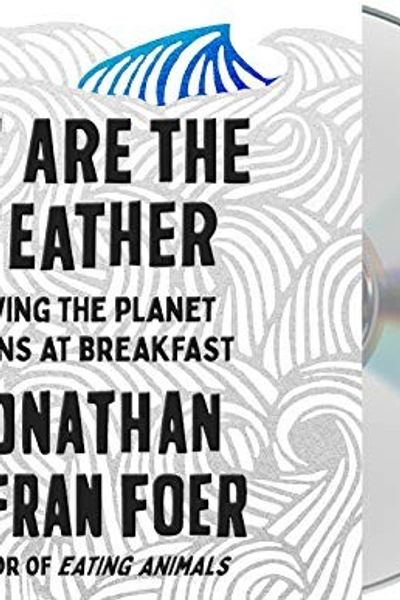
Also by Jonathan Safran Foer

What you might want to know about Eating Animals
The questions readers send us most often, answered without spoilers.
Novelist Jonathan Safran Foer investigates where meat actually comes from and asks what it means to feed the industry that produces it.
Wilkinson has cited the book as a decisive influence on his own move toward plant based eating, and he has recommended it as one of the most honest treatments of a topic that most business readers avoid.
No. Foer is a novelist by training and works hard to include voices that disagree with him, including farmers who defend animal agriculture. The reporting is the point, and readers are left to draw their own conclusions.
Eating Animals was written by Jonathan Safran Foer, published in 2009 by Little, Brown and Company.
Eating Animals is 341 pages in standard print editions, though page counts vary slightly between hardcover, paperback, and large-print formats.
At an average reading pace of about 250 words per minute, Eating Animals takes most readers 5 to 7 hours to finish.
Eating Animals is available in hardcover, paperback, ebook, and audiobook formats from Amazon, Bookshop.org, ThriftBooks, and most major bookstores.