Invisible Cities
Italo Calvino stages a frame story in which the aging Kublai Khan, surveying an empire too vast to know, listens to the Venetian traveler Marco Polo describe the cities he has visited on the Khan's behalf. Each short chapter is a prose poem about an impossible city organized around desire, memory, signs, death, or the sky, and between them the Khan and Polo quarrel gently about whether words can hold a place at all. Spare, fantastical, and quietly political, the book is as much a meditation on cartography and longing as a novel.
Where Invisible Cities keeps showing up
One of our editors' lists features this novel.
Also by Italo Calvino
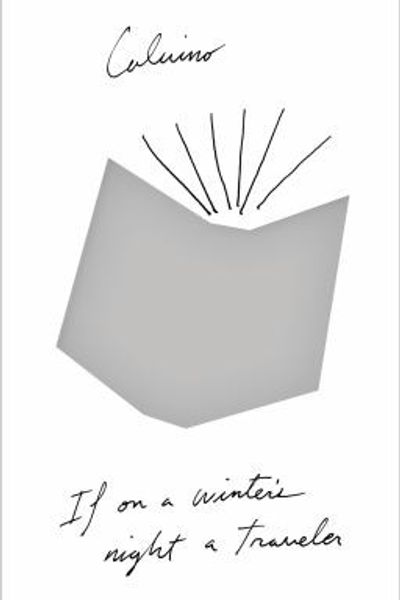
Books in conversation with Invisible Cities
A few of the closest reads from our full list.
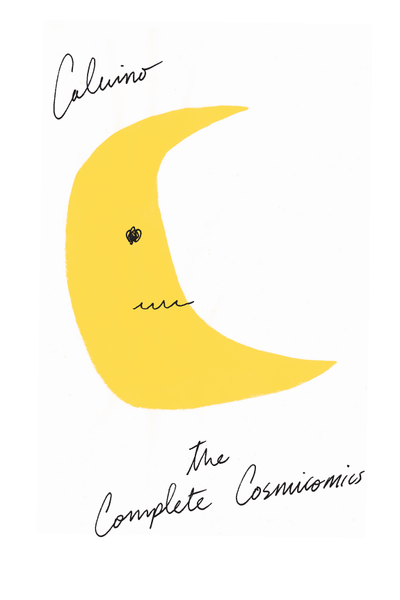
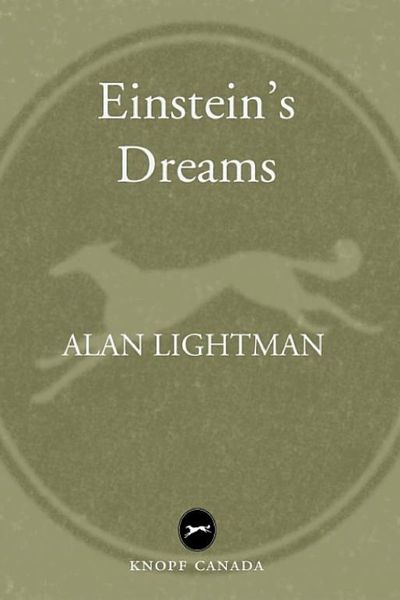

What you might want to know about Invisible Cities
The questions readers send us most often, answered without spoilers.
In an aging Kublai Khan's garden, Marco Polo describes cities he has visited, some made of water, some built on stilts, some that exist only in their inhabitants' dreams. They may all be Venice.
Invisible Cities is structured as 55 short prose-poetic descriptions of imaginary cities, framed by conversations between Marco Polo and Kublai Khan. Italo Calvino called it a novel, though it works equally as a story collection. It is widely studied in architecture and literature programs.
The prose is short and lyrical, but the experimental structure and lack of plot can frustrate readers expecting a traditional novel. Most readers approach it slowly, dipping in and out, rather than reading cover to cover.
Invisible Cities was written by Italo Calvino, published in 1972 by Penguin Random House.
Invisible Cities is 163 pages in standard print editions, though page counts vary slightly between hardcover, paperback, and large-print formats.
At an average reading pace of about 250 words per minute, Invisible Cities takes most readers 2 to 4 hours to finish.
Invisible Cities is a standalone novel by Italo Calvino, not part of a series.
Invisible Cities is available in hardcover, paperback, ebook, and audiobook formats from Amazon, Bookshop.org, ThriftBooks, and most major bookstores.