South of the Border, West of the Sun
Hajime, the only child of only children in postwar Tokyo, remembers exactly one childhood friend: Shimamoto, a classmate with a slight limp who played Nat King Cole records on her parents' stereo and disappeared from his life when they graduated from elementary school. Thirty years later, Hajime is a successful owner of two small Tokyo jazz clubs, married to the daughter of a wealthy construction executive, the father of two girls, and quietly unsatisfied with all of it. Then, without warning, Shimamoto walks into his bar. Haruki Murakami's 1992 novel, shorter and more tightly contained than his usual work, is a quiet, melancholy adult novel about the adult costs of honoring a childhood attachment your real life was never going to accommodate.
Where South of the Border, West of the Sun keeps showing up
One of our editors' lists features this novel.
Also by Haruki Murakami


What you might want to know about South of the Border, West of the Sun
The questions readers send us most often, answered without spoilers.
Hajime is a thirty-seven-year-old Tokyo jazz-bar owner with a wife, two daughters, and a comfortable life. The walk into his bar one rainy night of his only childhood friend, Shimamoto, slowly takes all of it apart.
Yes. South of the Border, West of the Sun was originally published in Japanese in 1992. It is one of Haruki Murakami's shorter and more realist novels, often recommended as an entry point to his work.
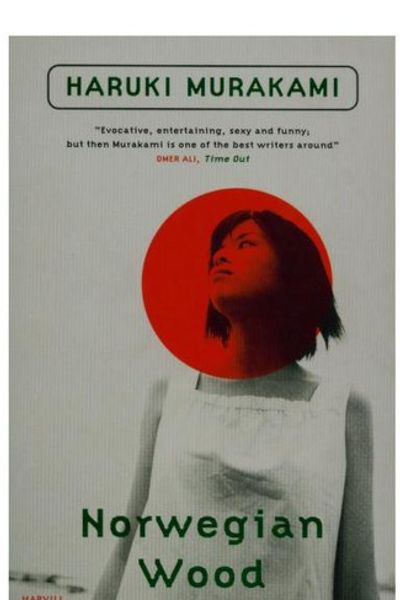
Yes. Both novels are realist Murakami without the magical-realist elements of his longer works. Both deal with mid-life longing, lost love, and Japanese male protagonists looking back. Norwegian Wood is the more famous of the two.
South of the Border, West of the Sun was written by Haruki Murakami.
South of the Border, West of the Sun is a standalone novel by Haruki Murakami, not part of a series.
South of the Border, West of the Sun is available in hardcover, paperback, ebook, and audiobook formats from Amazon, Bookshop.org, ThriftBooks, and most major bookstores.