The Silmarillion
The Silmarillion gathers the foundational myths and legends of Middle-earth, covering the ages before The Hobbit and The Lord of the Rings. Edited and published posthumously in 1977 by Christopher Tolkien, the book opens with the creation of the world by Eru Iluvatar and the rebellion of the fallen Vala Melkor. Its central narrative follows the Elves and their long struggle to recover the Silmarils, three jewels holding the light of the Two Trees of Valinor. Written in an archaic, biblical style, the work spans the rise and fall of kingdoms, doomed love stories, and the eventual fading of the Elder Days. It serves as the deep background that gives Tolkien's later novels their sense of history and weight, and stands as the core of his lifelong legendarium.

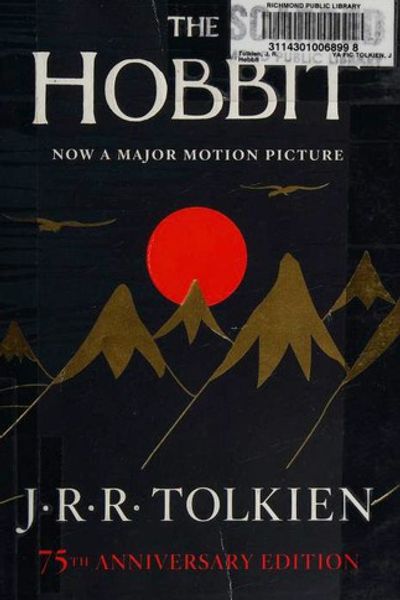
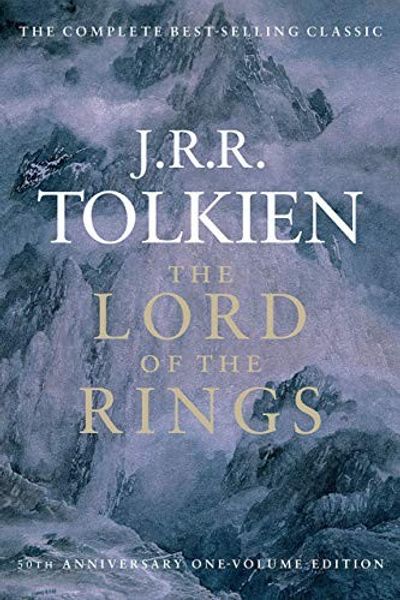
Also by J.R.R. Tolkien

What you might want to know about The Silmarillion
The questions readers send us most often, answered without spoilers.
A mythological history of Tolkien's invented world from its creation through the wars over three sacred jewels.
It helps but is not required; The Silmarillion stands as the deeper history that precedes those novels.
Tolkien worked on it for decades without finishing; his son Christopher edited and assembled it from his papers.
The Silmarillion was written by J.R.R. Tolkien, published in 1977 by HarperCollins.
The Silmarillion is 448 pages in standard print editions, though page counts vary slightly between hardcover, paperback, and large-print formats.
At an average reading pace of about 250 words per minute, The Silmarillion takes most readers 7 to 10 hours to finish.
The Silmarillion is available in hardcover, paperback, ebook, and audiobook formats from Amazon, Bookshop.org, ThriftBooks, and most major bookstores.