
Genome
Matt Ridley's 1999 book takes the structure of the human genome as its frame, devoting one chapter to each of the twenty-three pairs of chromosomes. In each chapter he picks a gene or region and uses it to explore a topic, such as disease, intelligence, instinct, memory, free will, or the history of our species. Rather than reading like a textbook, the book uses these examples to explain how genes work and how they interact with environment and behavior. Ridley wrote it as the Human Genome Project neared completion, capturing the excitement of that era while making the science accessible. He is careful to challenge simple notions of genetic determinism and to show how complex the relationship between genes and traits really is. It remains a popular introduction to genetics for readers without a scientific background.

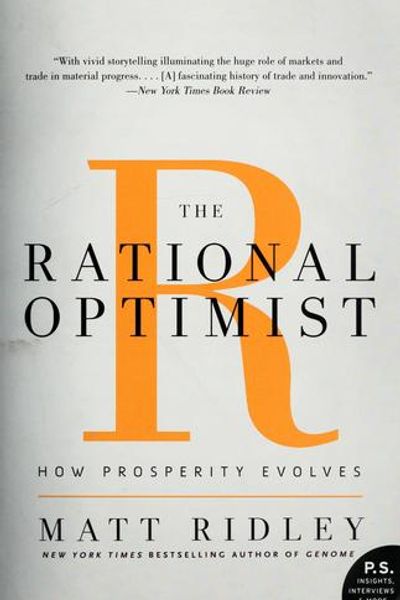
Also by Matt Ridley
What you might want to know about Genome
The questions readers send us most often, answered without spoilers.
A tour of the human genome that picks one gene from each of the twenty-three chromosomes to tell a different story about who we are.
It has twenty-three chapters, one for each pair of human chromosomes, and each picks a gene to tell a story about disease, behavior, history, or human nature.
No. Ridley wrote it for general readers, explaining genetics through stories and examples rather than technical detail.
Genome was written by Matt Ridley, published in 1999 by Harper Perennial.
Genome is 368 pages in standard print editions, though page counts vary slightly between hardcover, paperback, and large-print formats.
At an average reading pace of about 250 words per minute, Genome takes most readers 6 to 8 hours to finish.
Genome is available in hardcover, paperback, ebook, and audiobook formats from Amazon, Bookshop.org, ThriftBooks, and most major bookstores.