
The Rational Optimist
Matt Ridley makes an optimistic case for human progress, arguing that prosperity grows when people specialize and trade goods and ideas. He traces how exchange, beginning deep in prehistory, allowed humans to combine knowledge in ways no individual could, driving long-term gains in living standards. Ridley challenges pessimistic forecasts about population, resources, and the environment, pointing to historical trends of improvement. The book is a confident, contrarian argument grounded in economics, history, and evolutionary thinking. Critics have debated some of its claims, particularly on climate, but it remains a popular statement of techno-optimism and the view that openness and innovation tend to make life better over time, and it has been cited often in debates about whether the modern world is improving or declining.


Also by Matt Ridley
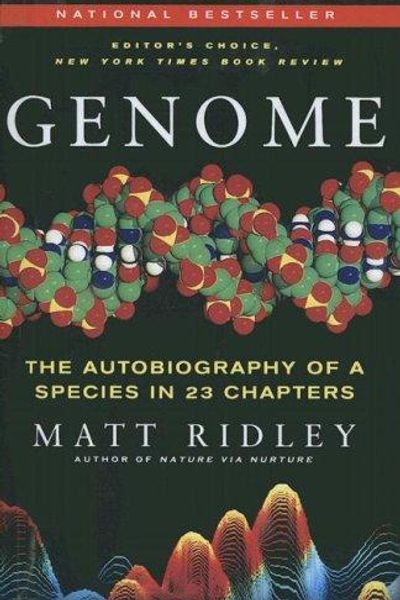
What you might want to know about The Rational Optimist
The questions readers send us most often, answered without spoilers.
Matt Ridley argues that human progress comes from trade and the exchange of ideas, and that the future is brighter than pessimists claim.
Ridley argues that trade and the exchange of ideas drive human progress and that the future is likely to improve.
Some of its claims, especially on the environment and climate, have been debated, but it remains a popular optimistic argument.
The Rational Optimist was written by Matt Ridley, published in 2010 by Harper Perennial.
The Rational Optimist is 480 pages in standard print editions, though page counts vary slightly between hardcover, paperback, and large-print formats.
At an average reading pace of about 250 words per minute, The Rational Optimist takes most readers 7 to 10 hours to finish.
The Rational Optimist is available in hardcover, paperback, ebook, and audiobook formats from Amazon, Bookshop.org, ThriftBooks, and most major bookstores.