
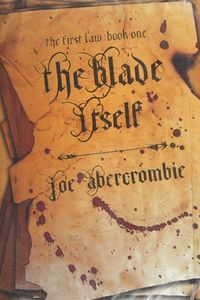


The Blade Itself
The cynicism runs hotter and heroism is almost entirely absent.
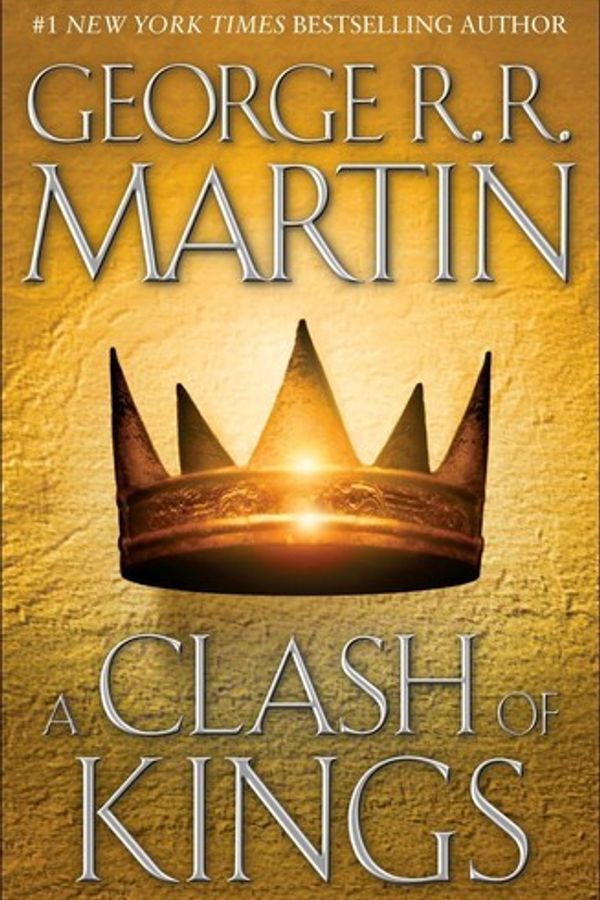
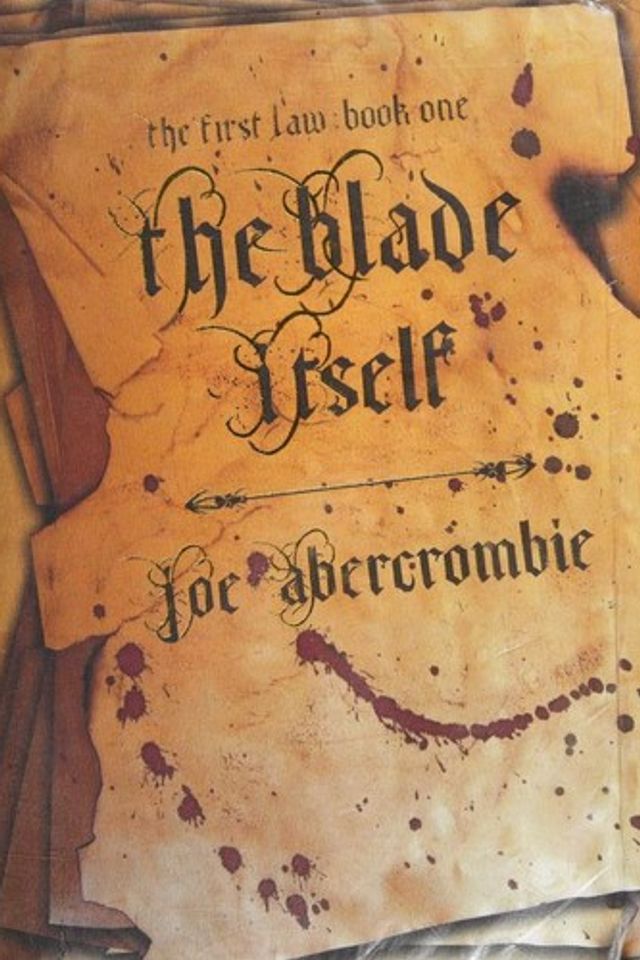
The Blade Itself opens with a barbarian washing blood off his hands, and Joe Abercrombie never lets the reader forget that this is a world where violence has consequences that follow you home. Like A Clash of Kings, the book runs on multiple viewpoint characters whose paths will converge, and Abercrombie shares Martin's gift for making every perspective feel sympathetic from the inside and questionable from the outside. Logen Ninefingers is a warrior whose reputation terrifies even his allies.
Jezal dan Luthar is a nobleman so sheltered he cannot see his own privilege. Sand dan Glokta is a torturer who was himself tortured, and his dark wit masks genuine philosophical depth. Abercrombie's Union feels like Westeros reimagined for a world that has grown cynical about heroism: the king is ineffectual, the magician may be lying, and the war brewing in the North is not what anyone thinks.
The political maneuvering is sharp and specific, driven by institutional corruption rather than individual evil. Abercrombie writes dialogue that crackles with subtext, and his action sequences land hard because they cost characters something real. For readers who loved Clash of Kings' multi-faction politics and Martin's willingness to show war's ugly reality, Abercrombie pushes both further.