
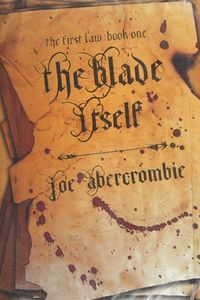

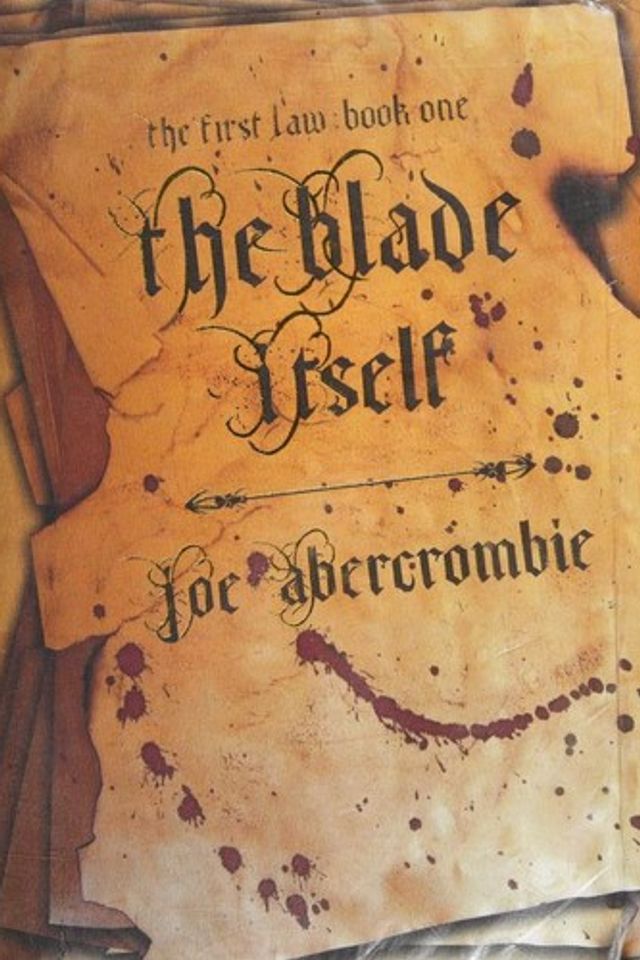
The Blade Itself
The cast is small and confined to one kingdom rather than scattered.
The Blade Itself takes the character-study approach Martin uses in A Feast for Crows and builds an entire book around it. Joe Abercrombie introduces three viewpoint characters, Logen, Jezal, and Glokta, and spends most of the first volume investing in who they are before letting the plot push them together. That patience mirrors Feast's willingness to sit with Cersei's paranoia, Brienne's lonely quest, and Jaime's moral recalibration.
Abercrombie writes each character with genuine empathy, even the torturer, letting readers see the logic behind every terrible decision. The Union, his primary kingdom, operates on institutional inertia: the people in charge are not especially evil, just entrenched, comfortable, and unwilling to adapt. That mirrors the post-war Westeros Martin builds in Feast, where the Seven Kingdoms run on habit rather than leadership.
Abercrombie's prose is tighter than Martin's, with dialogue that does more work per line. The humor is dark and constant, coming from characters who understand exactly how bad their situations are. For readers who appreciated Feast's decision to slow down, zoom in, and treat character psychology as the primary source of tension, Abercrombie's first book operates on the same principle from page one.