
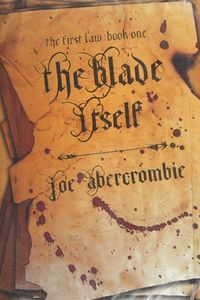



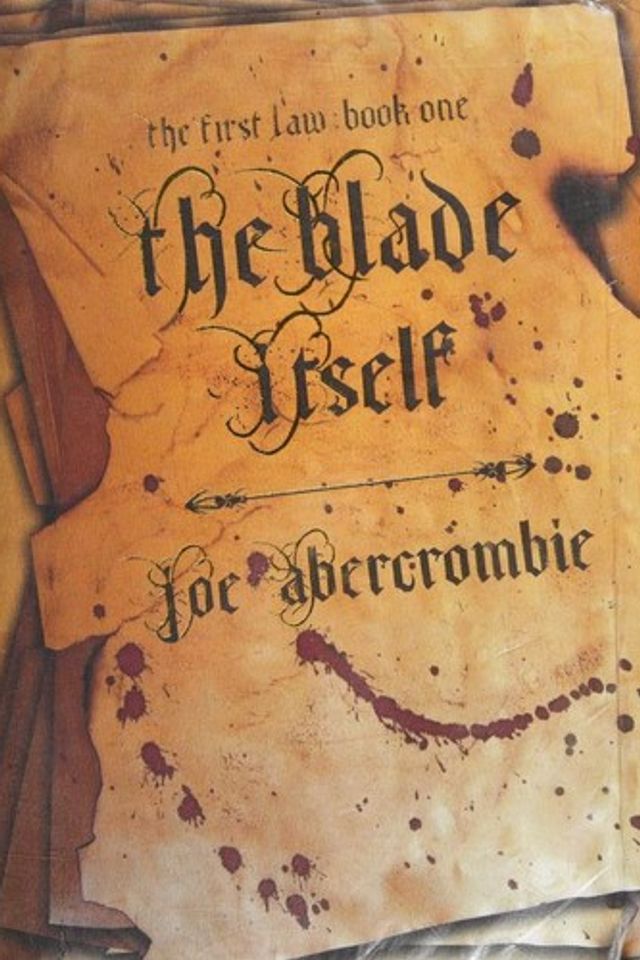
The Blade Itself
The scope stays inside one kingdom rather than ranging across Westeros.
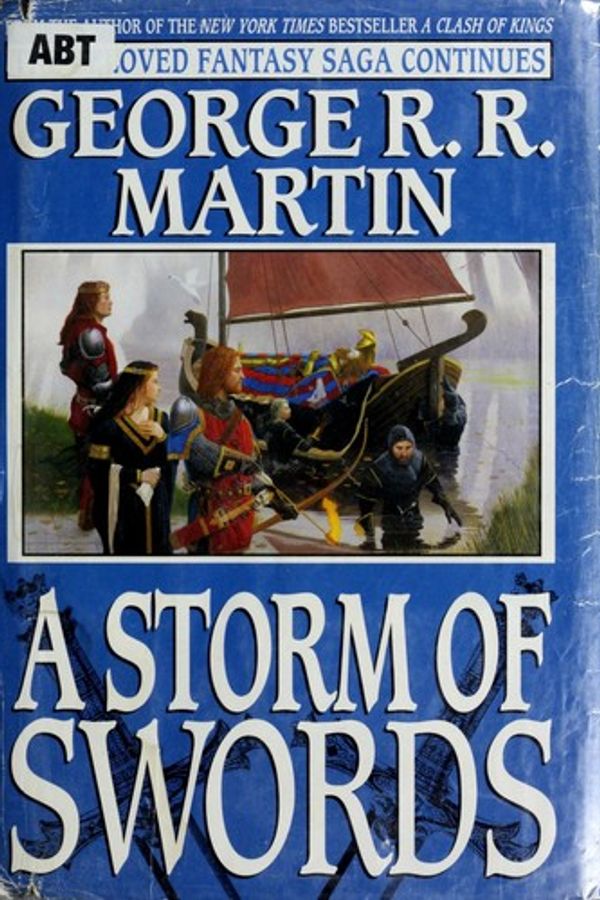
The Blade Itself takes Martin's moral ambiguity and strips it to the bone. Joe Abercrombie writes a world where every heroic archetype, the noble barbarian, the dashing officer, the wise wizard, turns out to be something more complicated and less comfortable than the reader expected. The parallels to A Storm of Swords are structural: Abercrombie builds his first book as setup, investing in character and world, then delivers a trilogy whose middle and final volumes hit with the same relentless momentum Martin achieves in Storm.
The Union, Abercrombie's primary kingdom, is Westeros with the cynicism turned up and the hope turned down. Bayaz, the First of the Magi, presents himself as Gandalf but operates like Littlefinger. Abercrombie writes combat with a specificity that makes every wound count, and the political maneuvering is driven by institutional corruption rather than individual ambition.
The dialogue is the best in modern fantasy, with each character's voice carrying subtext that rewards close reading. Abercrombie shares Martin's conviction that the real monsters are not the ones in the wilderness but the ones in the throne room. For readers who loved Storm's refusal to protect its characters from consequence, Abercrombie makes that refusal his governing principle.