

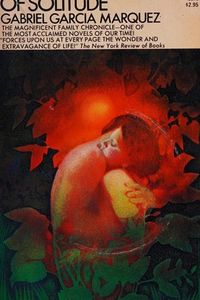


One Hundred Years of Solitude
The scale expands to a century and seven generations.
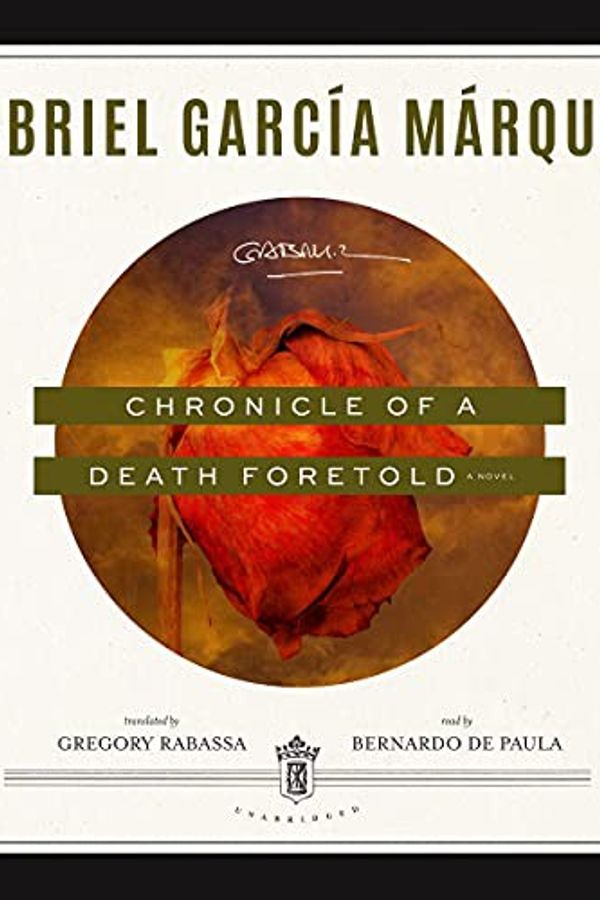
Garcia Marquez's most famous novel shares Chronicle's conviction that fate is inescapable, but it unfolds that conviction across a century rather than a single morning. The Buendia family builds and rebuilds the town of Macondo through seven generations, each one repeating the patterns of the last, driven by the same desires and making the same mistakes. Where Chronicle tells a story everyone already knows the ending of, One Hundred Years of Solitude tells a story the characters themselves seem unable to escape even as they sense its circular logic. Both books treat inevitability as a structural principle rather than a plot twist.
Both use Garcia Marquez's distinctive voice: matter-of-fact about the impossible, unsentimental about suffering, precise about chaos. Readers who love the way Chronicle makes fatalism feel like a physical weight will find the same gravitational pull in One Hundred Years of Solitude. The scale is different. The town replaces the morning.
But Garcia Marquez's fundamental question remains the same: can people change their fate if they can see it coming? In both books, the answer is no.