







The Name of the Wind
An older legend narrates his origin in retrospect.
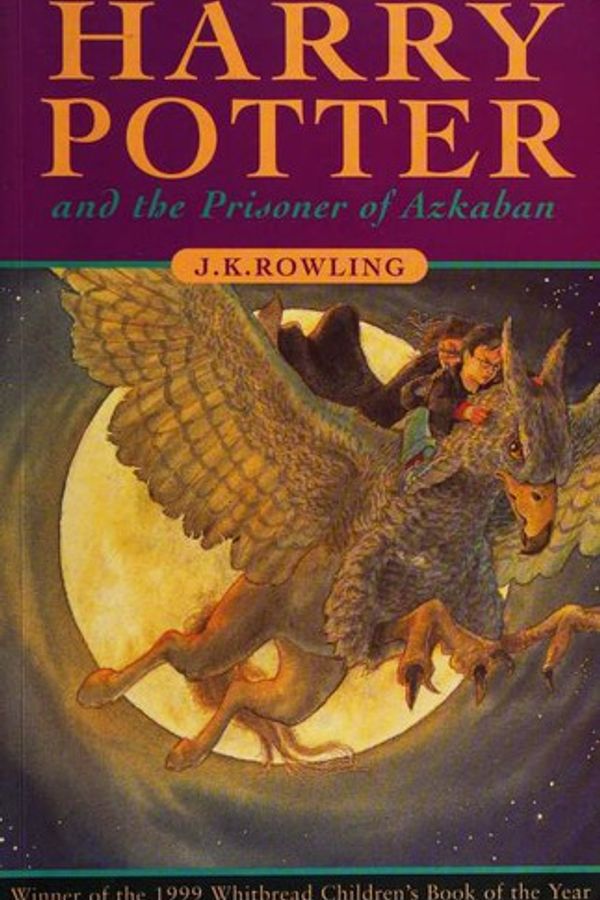
The Name of the Wind takes the wizard-school framework Rowling perfected and stretches it into an adult epic told in first person by a legendary figure recounting his own origin story. Patrick Rothfuss's Kvothe arrives at the University with nothing but talent and desperation, and his years there unfold with the same mix of academic challenge, interpersonal drama, and dangerous secrets that define Harry's Hogwarts years. The magic system, called sympathy, operates on physical laws and requires genuine study, giving it a rigor that matches the best moments in Prisoner of Azkaban.
Rothfuss shares Rowling's gift for embedding narrative misdirection: Kvothe tells you exactly what happened, but the meaning shifts as new information arrives. The prose style is more literary than Rowling's, with a bard's attention to rhythm and word choice. The frame narrative, with the older Kvothe telling his story to a scribe, adds a layer of unreliability that deepens every revelation.
Readers who loved Azkaban's tight plotting and its willingness to recontextualize everything in the final pages will find Rothfuss playing the same game at a different scale.