









The Devil in the White City
A Chicago serial killer replaces an Osage oil conspiracy.
Erik Larson's The Devil in the White City braids together two stories from 1893 Chicago: architect Daniel Burnham's race to build the World's Fair and Dr. H.H. Holmes's construction of a hotel designed for murder.
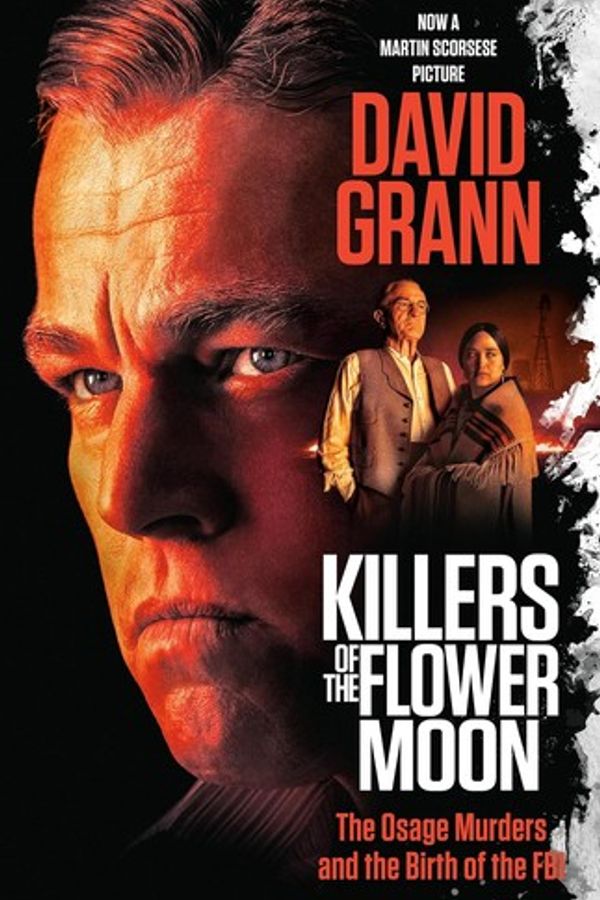
Larson uses the same dual-timeline technique Grann employs in Killers of the Flower Moon, alternating between builders and destroyers operating in the same historical moment. Both books show how periods of expansion and optimism create opportunities for predators, and both use meticulous period detail to make their settings feel alive. Larson's Holmes is not a criminal mastermind in the Hollywood sense; he is a con man who exploited a city too busy celebrating itself to notice what was happening in one particular building. That ordinariness is what connects him to Grann's killers: the Osage murders succeeded because an entire community refused to see what was happening in front of them.
Larson writes about architecture and urban planning with the same enthusiasm Grann brings to the Osage oil economy, and both authors understand that the setting is not backdrop but motive. Readers who want true crime anchored in historical context will find Larson and Grann working in parallel registers.