





The Prince
The focus is political rulership rather than military campaigns.
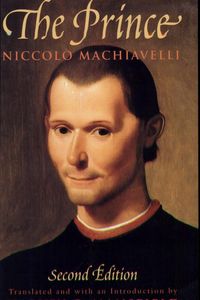
Niccolo Machiavelli wrote The Prince in 1513 as a practical guide to gaining and holding political power. Like Sun Tzu, Machiavelli strips away idealism and examines how power actually works rather than how it should work in theory. Both authors accept that competition is inherent in human affairs and that effective leaders must understand deception, timing, and the management of appearances.
The Prince is shorter and more focused than The Art of War, zeroing in on political leadership rather than military command. Machiavelli draws from the successes and failures of Italian city-state rulers, showing what happens when leaders follow principle at the expense of pragmatism. His writing is direct, often uncomfortable, and remains controversial five centuries later.
Where Sun Tzu emphasizes knowing your enemy and choosing battles wisely, Machiavelli focuses on the internal politics of maintaining authority. Together, the two books cover both the external strategy of competition and the internal strategy of organizational control. Readers who appreciate Sun Tzu's unsentimental analysis of conflict will find Machiavelli equally clear-eyed about the realities of political life.