
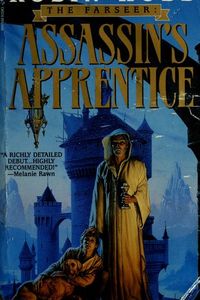




Assassin's Apprentice
The prose is warmer and deeply intimate rather than darkly comic.
Robin Hobb's Assassin's Apprentice takes a different path to the same destination: fantasy that prioritizes character psychology over action set pieces. FitzChivalry Farseer is the bastard son of a prince, trained from childhood as a royal assassin while struggling with his own sense of worth and belonging.
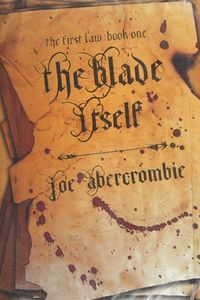
Where Abercrombie uses dark comedy to expose his characters' flaws, Hobb uses intimacy, putting readers so deep inside Fitz's head that his pain becomes genuinely uncomfortable. Both authors write characters who are shaped by the violence their worlds demand of them, and both refuse to pretend that killing for a cause makes killing noble.
Hobb's prose is warmer and more empathetic than Abercrombie's, but her willingness to let her protagonist suffer without redemption matches his refusal to grant his characters easy moral victories. Readers who love Abercrombie's character work but want an even deeper emotional investment will find Hobb devastatingly effective.