

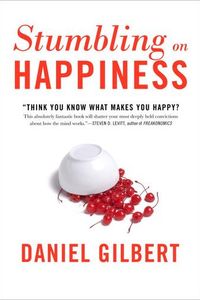





Stumbling on Happiness
The focus stays on why humans mispredict future feelings.
Daniel Gilbert's Stumbling on Happiness attacks the happiness question from the angle of affective forecasting, our ability (or inability) to predict what will make us feel good. Gilbert, a Harvard psychologist, demonstrates through a series of studies that human imagination systematically distorts future scenarios. We overestimate how happy a promotion will make us, overestimate how miserable a breakup will leave us, and consistently misjudge which experiences will produce lasting satisfaction.
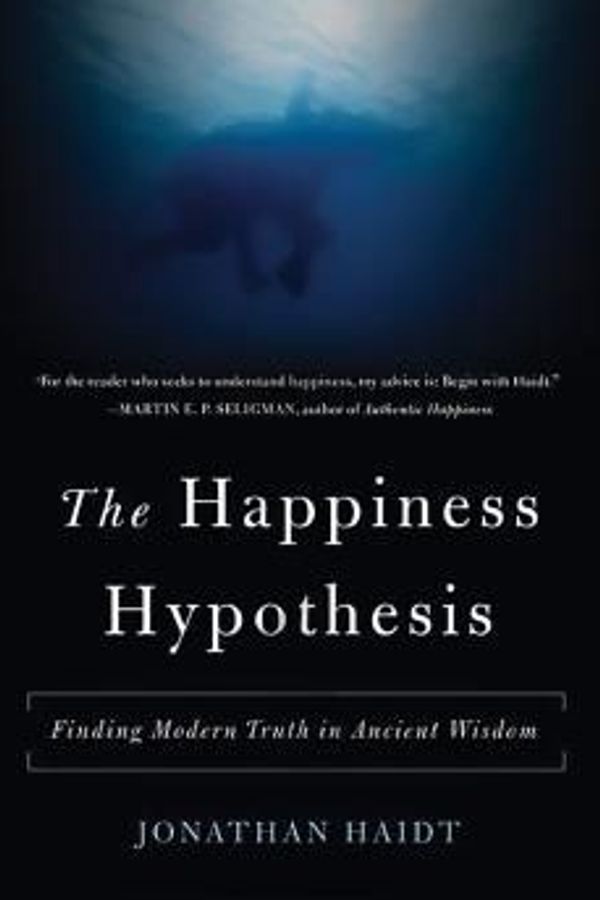
Like Haidt, Gilbert is an academic who writes for general readers, and he shares Haidt's gift for making research findings feel like personal discoveries rather than lecture material. The tone is funnier than Haidt's, almost comedic in places, with Gilbert treating the gap between expectation and reality as an ongoing source of amusement. Where Haidt tests ancient wisdom against modern data, Gilbert tests modern assumptions against modern data and finds them equally unreliable.
The two books complement each other perfectly: Haidt tells you what the research says makes people happy, Gilbert tells you why people keep chasing the wrong things anyway.