



One Hundred Years of Solitude
Marquez's prose loops in labyrinthine coils rather than Allende's direct warmth.
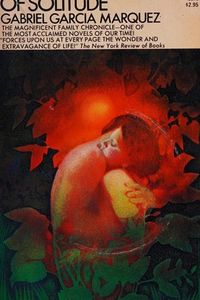
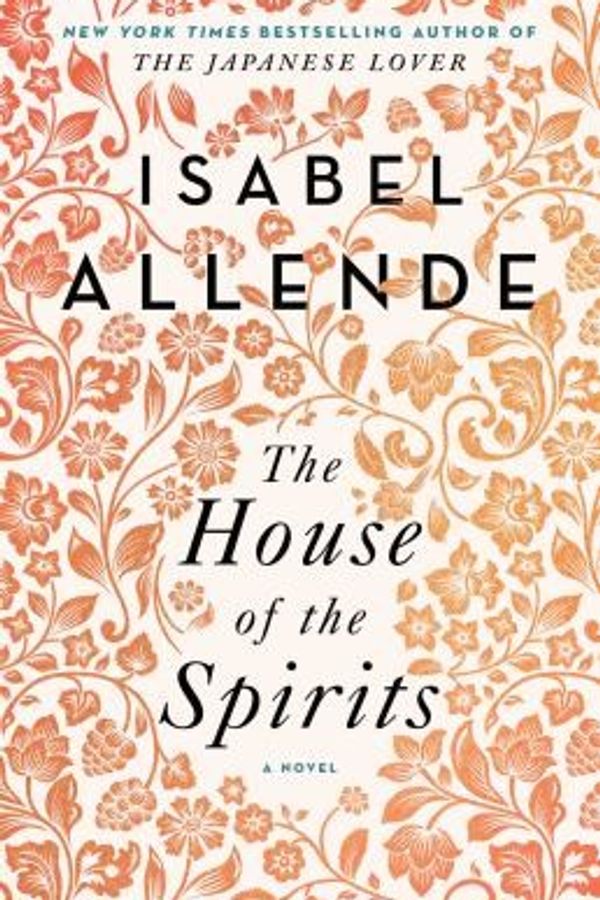
Gabriel Garcia Marquez's One Hundred Years of Solitude follows the Buendia family across seven generations in the fictional Colombian town of Macondo, from its founding through its apocalyptic conclusion. This is the book that defined magical realism as a literary movement, and The House of the Spirits is in direct conversation with it, borrowing its generational structure, its treatment of the supernatural as ordinary, and its braiding of family history with national history. Both novels create enclosed worlds where time operates differently, where the same names and patterns repeat across generations, and where the dead refuse to stay dead because the living refuse to let them go.
Marquez's prose is denser and more labyrinthine than Allende's, building sentences that loop back on themselves like the circular time of Macondo, while Allende writes with more directness and warmth. The political allegory operates in both novels as an undercurrent rather than a sermon, with the rise and fall of ideologies reflected in the rise and fall of families. Both books treat their Latin American settings with encyclopedic specificity, creating worlds that feel simultaneously mythic and historically grounded.
This is the essential companion read for The House of the Spirits and the novel most frequently cited as its direct ancestor.