






All the Light We Cannot See
The action happens outside the camps, in occupied France.
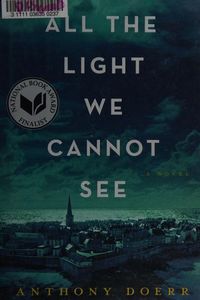
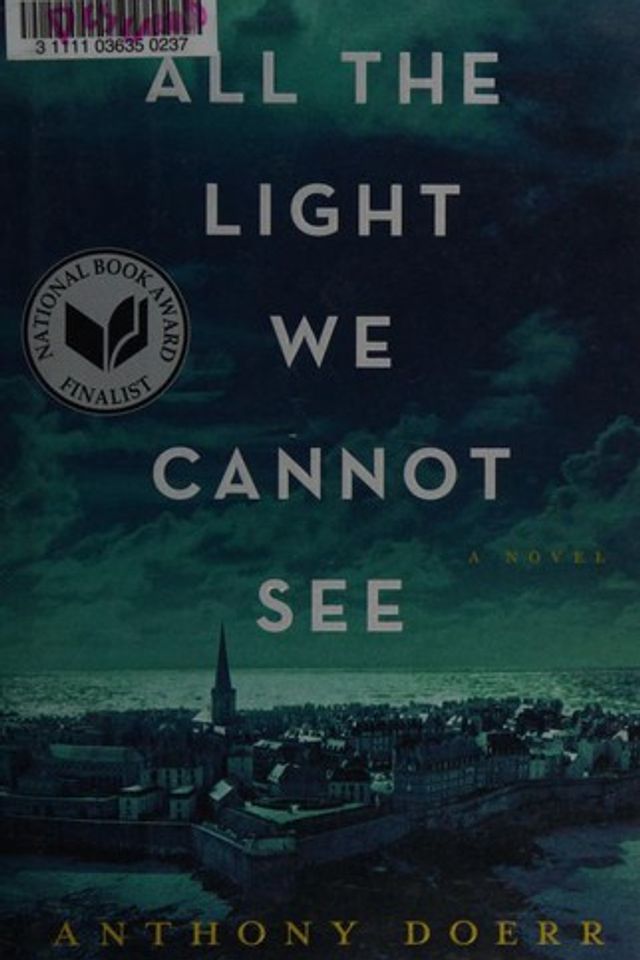
Anthony Doerr's All the Light We Cannot See follows two parallel stories through World War II: Marie-Laure, a blind French girl whose father works at the Museum of Natural History in Paris, and Werner, a German orphan whose talent with radios pulls him into the Wehrmacht. The novel shares The Tattooist of Auschwitz's interest in finding human connection within the machinery of war, but Doerr approaches his subject with a literary density that gives each scene the weight of a poem. The alternating chapters create a slow convergence between characters who exist on opposite sides of the conflict, building toward a meeting that feels both inevitable and impossible.
Both novels use specific sensory details to make their historical settings feel physically real: the cold, the hunger, the sounds of a world at war. Doerr's prose is more ornate than Morris's direct style, filling each chapter with light, color, and texture that create beauty alongside horror. The radio technology in the novel functions as a metaphor for the invisible connections between people, much as Lale's tattooing creates a terrible intimacy between prisoner and prisoner.
This won the Pulitzer Prize and stands as one of the finest novels about the war.