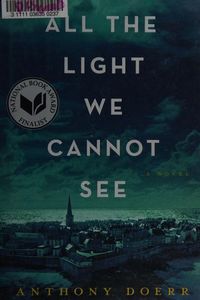




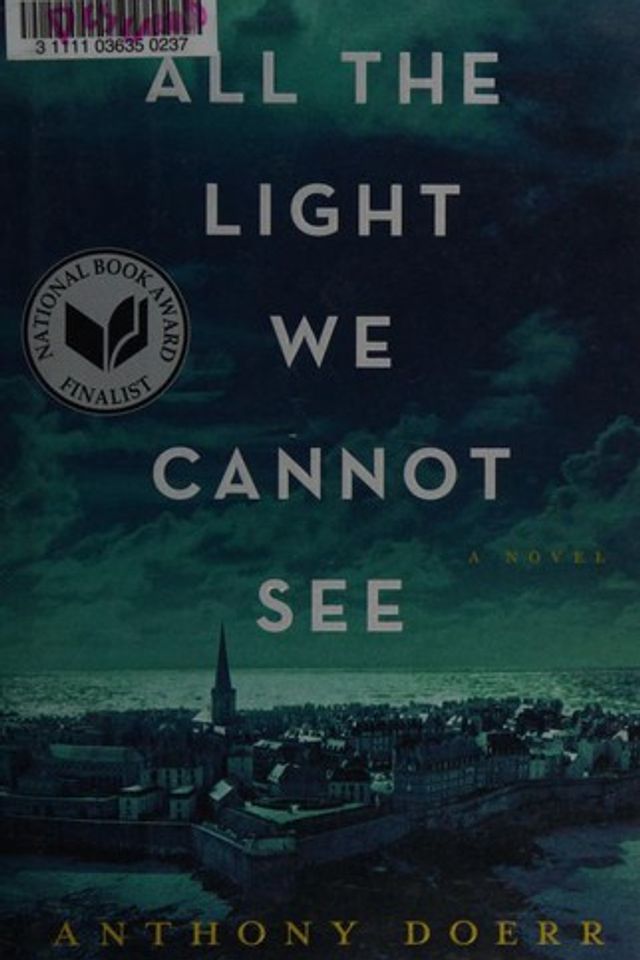
All the Light We Cannot See
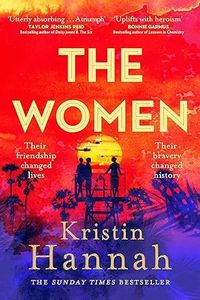
World War II occupied France replaces Vietnam jungle nursing.
Anthony Doerr's All the Light We Cannot See follows Marie-Laure, a blind French girl in occupied Saint-Malo, and Werner, a German orphan conscripted into the Wehrmacht, as their lives converge in the final days of World War II. Doerr writes about war the same way Hannah does: through the sensory experiences of people caught in it, not through battlefield strategy or political analysis.
The novel's short chapters create a mosaic effect that builds tension incrementally, and Doerr's prose is more lyrical than Hannah's but serves the same purpose: making readers feel what it was like to live inside a historical catastrophe. Marie-Laure's blindness forces Doerr to describe the war through sound, touch, and smell, and those descriptions are so specific that the world feels more real than most visual accounts achieve.
Werner's moral awakening inside the German military parallels the disillusionment Hannah's nurses experience in Vietnam, and both novels refuse to simplify the psychological cost of surviving a war that demanded you compromise your values to stay alive.