
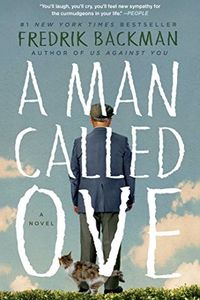




A Man Called Ove
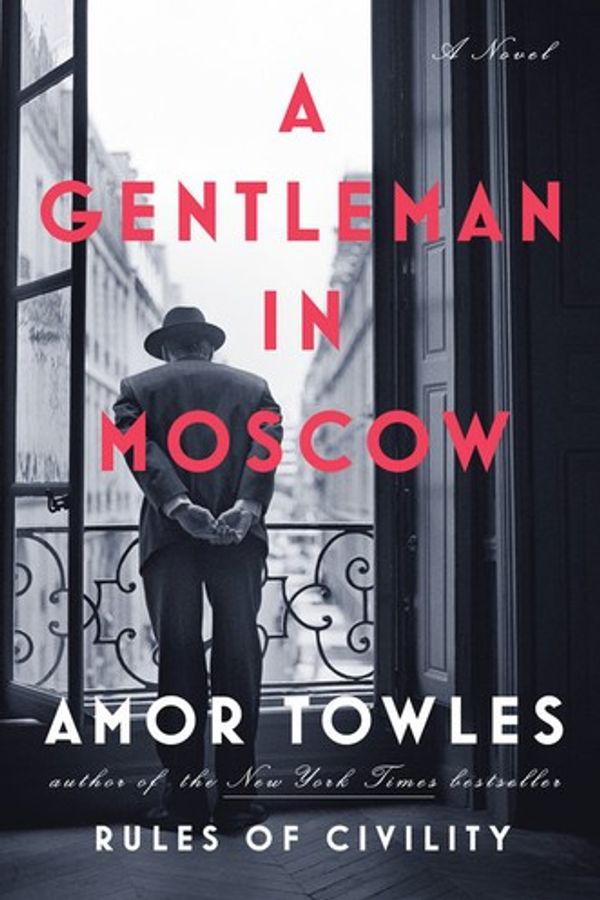
A Swedish suburb replaces a grand Moscow hotel as the confined setting.
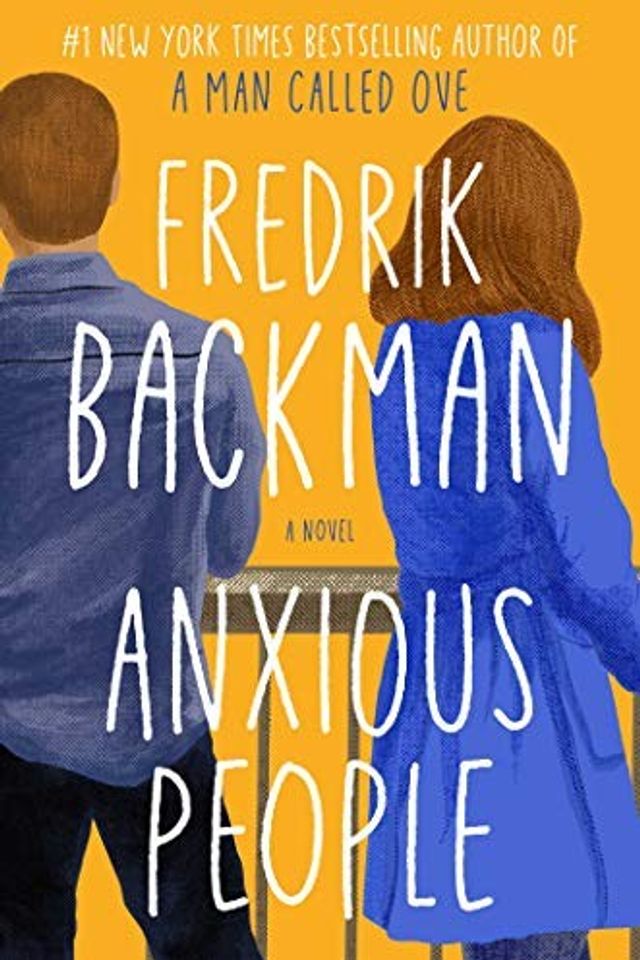
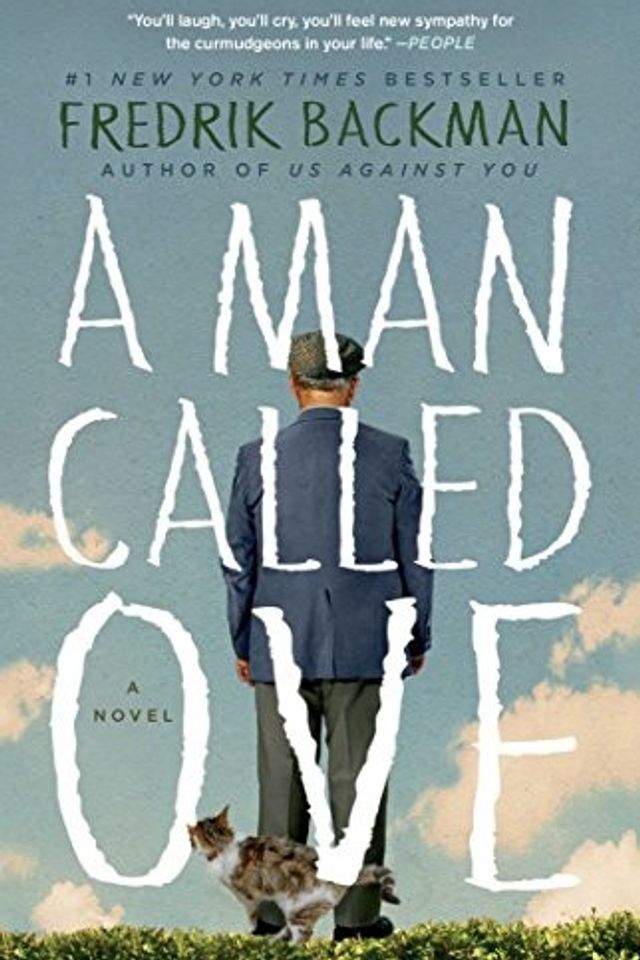
Fredrik Backman's Ove is a grumpy fifty-nine-year-old man with strict opinions about how the world should work and a dead wife he talks to every morning. The novel opens with Ove trying to die and failing because his neighbors keep interrupting with requests to borrow tools and settle disputes. The structural parallel to A Gentleman in Moscow is precise: both books take a character defined by loss and confinement and slowly reveal the richness of their inner world through their relationships with the people around them.
Backman writes comedy that arrives side by side with grief, a tonal balance Towles handles with equal skill. Ove's rigid principles look like stubbornness until the flashback chapters reveal the life that shaped them, the same technique Towles uses to deepen the Count through memories of pre-revolutionary Russia. The neighbors who force themselves into Ove's life mirror the hotel staff and guests who become the Count's substitute family.
Both novels argue that community is not optional, that human connection finds its way in even when the protagonist tries to lock the door. Backman's prose is simpler than Towles's, more conversational, but the emotional precision is a match. The tears, when they come, feel earned.