


The Fault in Our Stars
The heroine is sharper and more questioning rather than quietly faithful.
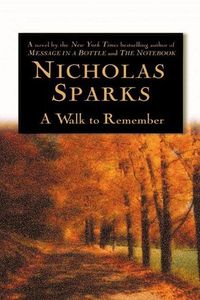
John Green's The Fault in Our Stars is the most direct companion to A Walk to Remember in contemporary fiction. Both novels pair a teenager with cancer against a love interest who did not expect to fall this hard, and both refuse to treat the illness as the point of the story. The love is the point.
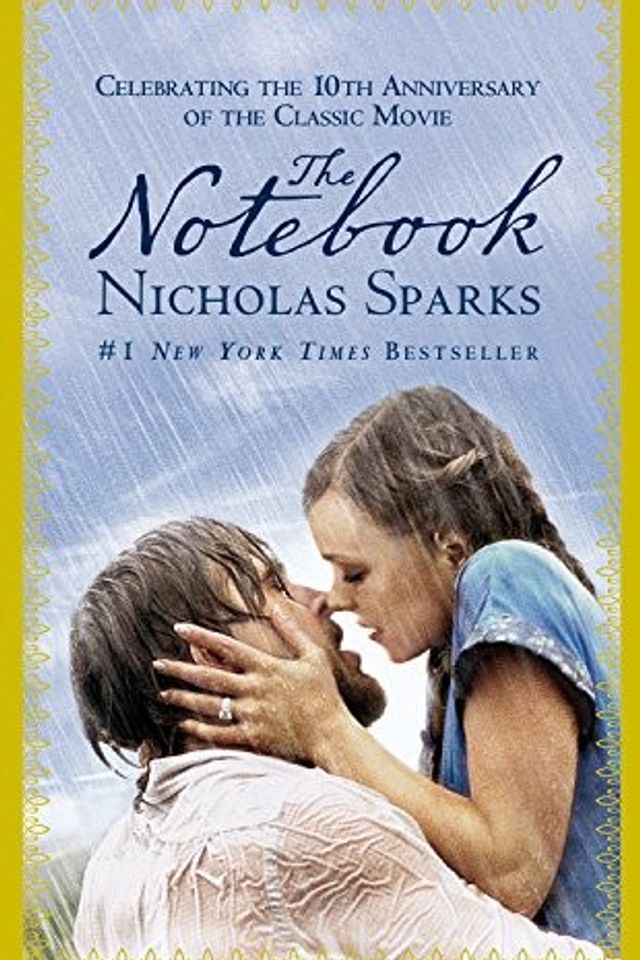
Hazel Lancaster and Augustus Waters meet at a cancer support group and build a relationship defined by wit, literary references, and a shared refusal to accept pity. Sparks' Jamie Sullivan carries a similar quiet strength, though her faith-driven serenity differs from Hazel's sharper, more questioning temperament. Green writes with more literary self-awareness than Sparks.
His characters are funnier, more argumentative, more prone to philosophical tangents. But both authors achieve the same effect: by the time the inevitable happens, you are so invested in these specific people that the grief feels personal rather than fictional. If A Walk to Remember made you cry because you loved Jamie as much as Landon did, The Fault in Our Stars will do the same because you will love Hazel and Augustus just as completely.