








The Name of the Wind
A legendary figure recounts his rise inside a frame narrative.
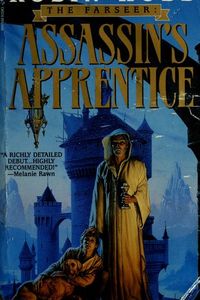
Patrick Rothfuss's The Name of the Wind shares Assassin's Apprentice's first-person confessional structure, with Kvothe narrating his own story from brilliant orphan to legendary figure. Both novels follow a young protagonist with unusual talents who must navigate a world that is often hostile to outsiders, and both take their time building the character's skills, relationships, and understanding of a complex magic system.
Rothfuss writes with a lyricism that makes even quiet scenes feel charged with significance, and Kvothe's voice has the same mix of intelligence, self-awareness, and emotional vulnerability that makes Fitz such a memorable narrator. The University setting provides a training ground for magic that functions similarly to Fitz's apprenticeship at Buckkeep, with mentors who are variously helpful, indifferent, and dangerous.
Both authors understand that a protagonist's failures are more interesting than their successes, and both build their plots through the accumulation of relationships rather than set-piece battles. The frame narrative adds a layer of melancholy, suggesting that the older Kvothe has lost something essential, much as Fitz's story carries a constant undertone of grief.