

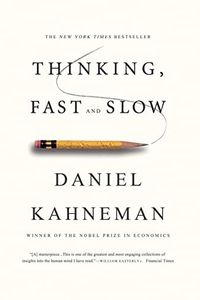



Thinking, Fast and Slow
The book is longer and grounded in experimental science.
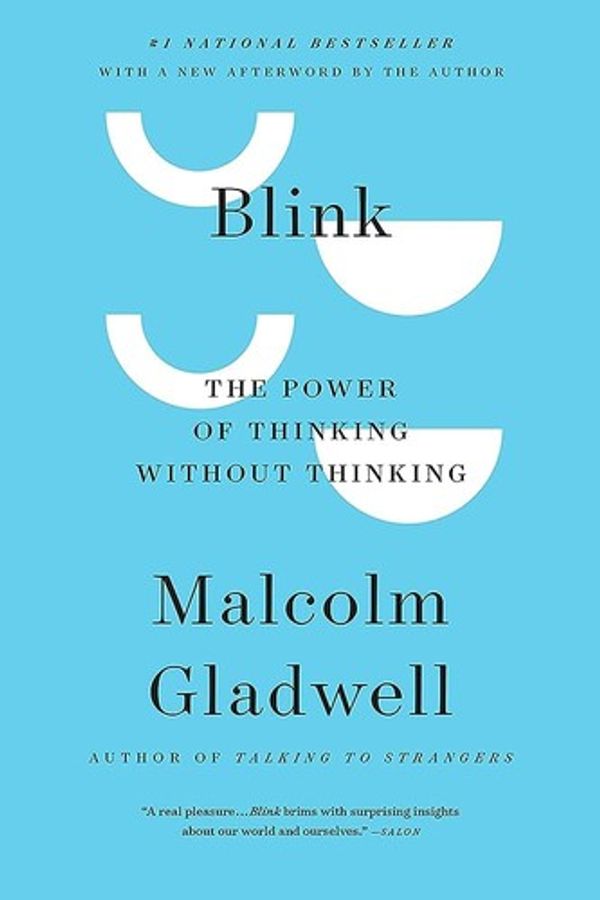
Daniel Kahneman's Thinking, Fast and Slow is the scientific foundation for many of the phenomena Gladwell describes in Blink. Kahneman spent decades with his collaborator Amos Tversky designing experiments that revealed systematic biases in human judgment, and this book distills that research into a comprehensive theory of two mental systems: System 1 (fast, automatic, intuitive) and System 2 (slow, deliberate, analytical). Where Gladwell tells stories about snap judgments and leaves readers marveling at their power, Kahneman provides the experimental evidence showing when those judgments work and when they fail catastrophically.
The book is longer and more demanding than Blink, requiring sustained attention through statistical reasoning and experimental design. But the payoff is a much more complete picture of human cognition. Kahneman does not shy away from showing how expert intuition, the kind Gladwell celebrates, can be systematically wrong in predictable ways.
For readers who finished Blink wanting to understand the science behind rapid cognition rather than just the stories, Thinking, Fast and Slow is the essential next step.