






The Strange Case of Dr Jekyll and Mr Hyde
The creator becomes the monster rather than fleeing it.
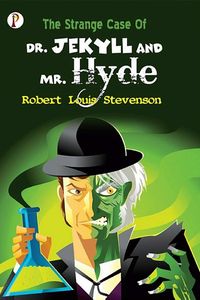
Robert Louis Stevenson published The Strange Case of Dr Jekyll and Mr Hyde in 1886, and it stands alongside Frankenstein as one of the foundational texts of horror fiction. Both novels ask what happens when a scientist tampers with forces he does not fully understand. Both create monsters that reflect their creators' worst impulses. And both use their horror to say something about the society that produced them.
Jekyll is a respectable Victorian doctor who develops a potion that separates his good and evil natures into two distinct bodies. Hyde, the evil half, is smaller, younger, and described by everyone who sees him as physically repulsive in a way no one can quite articulate. Stevenson understood that evil is not dramatic or glamorous. It is petty and cruel and enjoys causing pain for its own sake.
The novella's investigation structure gives it a momentum that Frankenstein's nested narratives do not always provide. Utterson, the lawyer protagonist, pieces together the truth through witness accounts and documents, building a case against something he cannot name. Where Victor Frankenstein creates a monster and runs from it, Jekyll creates a monster and becomes it. Both stories end the same way: with the creator destroyed by what he made.