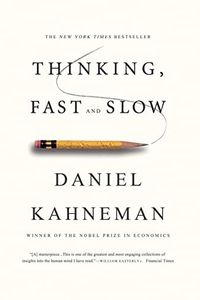



Thinking, Fast and Slow
Cognitive psychology replaces economic puzzle-solving.
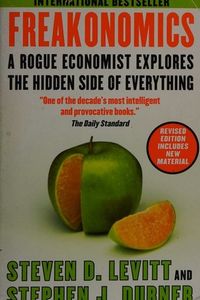
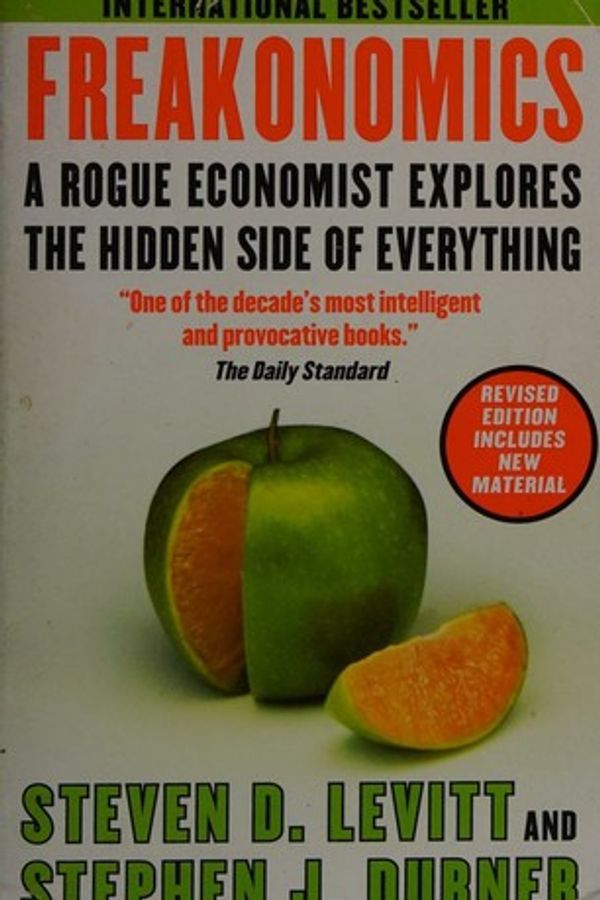
Daniel Kahneman's Thinking, Fast and Slow provides the psychological foundation for the kind of counterintuitive findings Levitt and Dubner present. Kahneman spent decades studying why people make irrational decisions, and his framework of System 1 (fast, intuitive) and System 2 (slow, analytical) thinking explains why the hidden incentives Freakonomics describes actually work.
People respond to framing, defaults, and anchors not because they are stupid but because System 1 takes shortcuts that are usually efficient but sometimes catastrophically wrong. The book is longer and more academic than Freakonomics, organized as a comprehensive survey of cognitive biases rather than a series of puzzles.
But the payoff is similar: you finish the book seeing the world differently, noticing the invisible forces that shape choices. For readers who enjoyed Freakonomics' revelations about how incentives drive behavior, Kahneman explains the cognitive machinery that makes those incentives effective.