
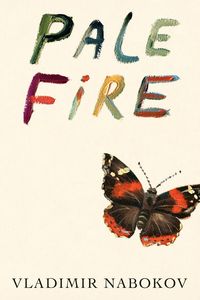





Pale Fire
A mad commentator on a poem replaces multiple interrupted novels.
Vladimir Nabokov's Pale Fire presents itself as a 999-line poem by a recently murdered American poet, accompanied by a commentary written by his neighbor, a self-proclaimed exiled king of a northern European country. The commentary gradually reveals itself to be a work of lunacy, autobiography, or genius, depending on how you read it. The novel shares If on a Winter's Night a Traveler's fundamental insight that a text changes meaning depending on who reads it and what they bring to the encounter.
Both books are structured as interrupted reading experiences: Calvino gives you ten broken beginnings, Nabokov gives you a poem refracted through a madman's notes. Both are also deeply funny about the pretensions of literary criticism and the way readers project their own obsessions onto the texts they love. Pale Fire rewards rereading even more than Calvino's novel does, because the relationship between poem and commentary shifts every time you return to it.
This is the masterwork of metafiction.