



The Fault in Our Stars
Two teen cancer patients replace a caregiver and wheelchair user.
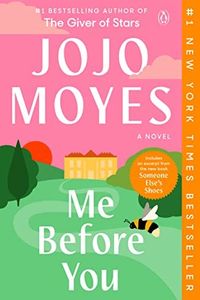
John Green's The Fault in Our Stars operates in the same emotional register as Me Before You: a love story that develops under the shadow of death, told with humor sharp enough to cut through the sentimentality that lesser writers would indulge. Hazel Lancaster has terminal cancer. Augustus Waters has lost a leg to osteosarcoma. They meet at a support group and fall for each other with the kind of wit and intelligence that makes you forget, for pages at a time, that the ending will hurt.
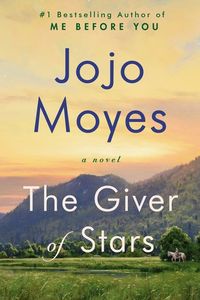
Green and Moyes share a crucial skill. They write characters who refuse to be defined by their medical conditions. Will Traynor is not his wheelchair. Hazel is not her oxygen tank.
Both novels insist on treating their disabled and ill characters as full human beings with sharp minds, specific tastes, and the right to make their own choices about their lives. Green's protagonists are younger than Moyes', and his prose has a more literary, aphoristic quality. But the emotional trajectory matches precisely: falling in love while knowing that love cannot fix everything, and finding that it matters anyway.