





Young Mungo
Suspense builds toward violence between two teenage boys, not a mother's collapse.
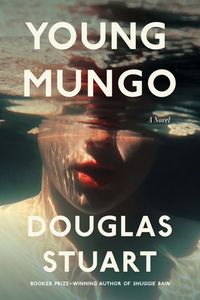
Stuart's second novel returns to Glasgow in the 1990s, following two teenage boys from rival Protestant and Catholic housing schemes who fall in love. Mungo is gentle and artistically inclined, living under the watch of his absent mother and his violent older brother. James raises pigeons on a rooftop and carries his own family damage.
Like Shuggie Bain, Young Mungo writes about queer childhood in working-class Scotland with an intimacy that never tips into condescension, and both books are structured around a central relationship that the surrounding environment tries to destroy. Stuart's prose style is consistent across both novels: precise, sensory, and willing to sit with discomfort. Young Mungo carries more suspense than Shuggie Bain, building toward a specific act of violence that the reader can feel approaching.
Where Shuggie's story is about watching a mother's slow collapse, Mungo's is about two boys trying to build something tender inside a landscape engineered for toughness.