

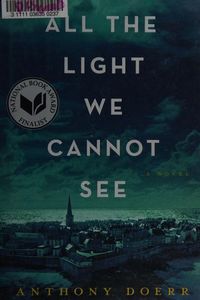



All the Light We Cannot See
Two protagonists cross battle lines instead of one narrator.
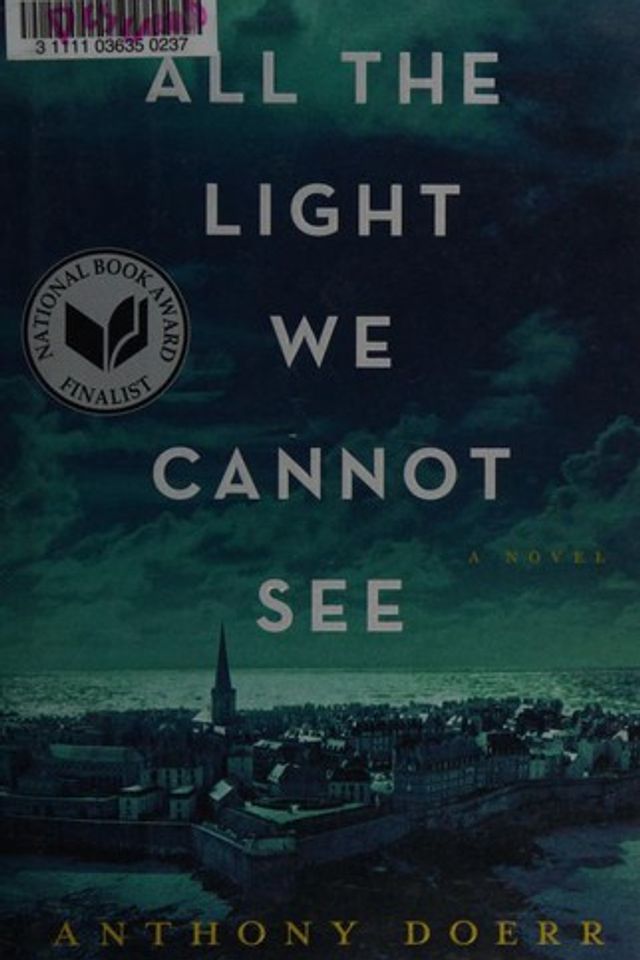
Anthony Doerr's All the Light We Cannot See follows two teenagers on opposite sides of WWII: Marie-Laure, a blind French girl, and Werner, a German orphan conscripted into the Nazi war machine. Doerr alternates between their stories, building toward the moment when their paths cross in the besieged city of Saint-Malo. The novel shares The Book Thief's commitment to showing the war through young eyes and its belief that beauty can survive even the worst circumstances.
Marie-Laure's father builds her elaborate wooden models of their neighborhood so she can navigate by touch, and these models function like Liesel's stolen books, as anchors of love in a world bent on destruction. Doerr writes short, precise chapters that accumulate into something overwhelming, a technique that mirrors Zusak's use of Death's interruptions to control the novel's emotional rhythm. Both novels refuse to reduce WWII to simple good-versus-evil terms, showing German characters who resist the regime and French characters who collaborate.
All the Light We Cannot See matches The Book Thief in emotional power while telling its story through a completely different structural approach.