




Commonwealth
Six blended children replace two siblings.
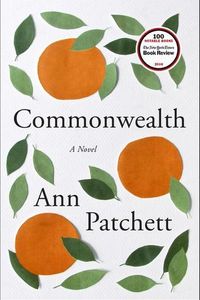
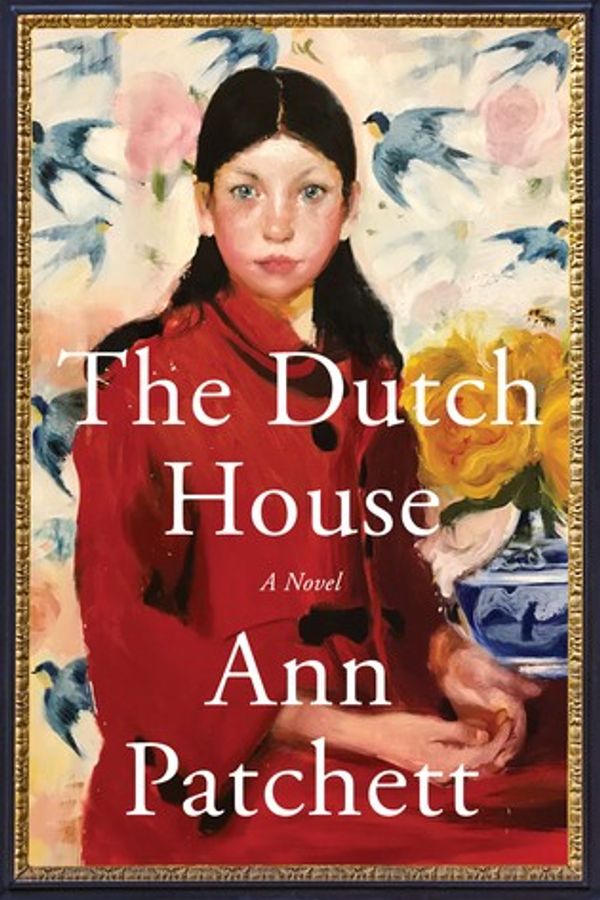
Ann Patchett's Commonwealth follows two families, the Keatings and the Cousins, whose lives become entangled at a christening party in 1960s Los Angeles when the two patriarchs' affair with each other's wives merges six children into a blended family none of them asked for. Like The Dutch House, the novel is structured around a single defining event whose consequences ripple outward through decades, reshaping every relationship it touches.
Patchett writes with the same warmth and precision in both novels, building her characters through accumulated detail rather than dramatic revelation, letting the reader feel the full weight of time passing. The sibling dynamics in Commonwealth are more complex than in The Dutch House, with six children forming shifting alliances and nursing different memories of the same events, but the emotional core is identical: people bound together by circumstance who must decide whether shared history constitutes family.
The non-linear structure jumps between decades with the same casual confidence Patchett displays in The Dutch House, trusting readers to assemble the timeline from context clues. Both novels find humor in dysfunction and tenderness in distance, creating a reading experience that feels like flipping through a family photo album where the smiles conceal as much as they reveal.