



The Power of Now
The focus sits on awareness practice rather than behavioral rules.
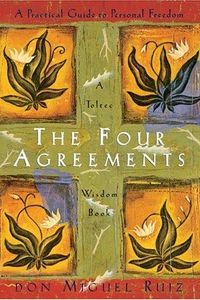
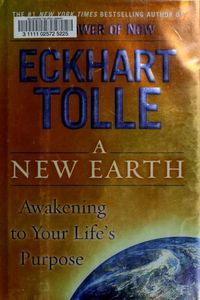
Eckhart Tolle's The Power of Now argues that nearly all psychological suffering comes from living in the past or the future rather than the present moment. Like Ruiz, Tolle writes about the stories the mind tells that keep people trapped in cycles of anxiety, regret, and fear.
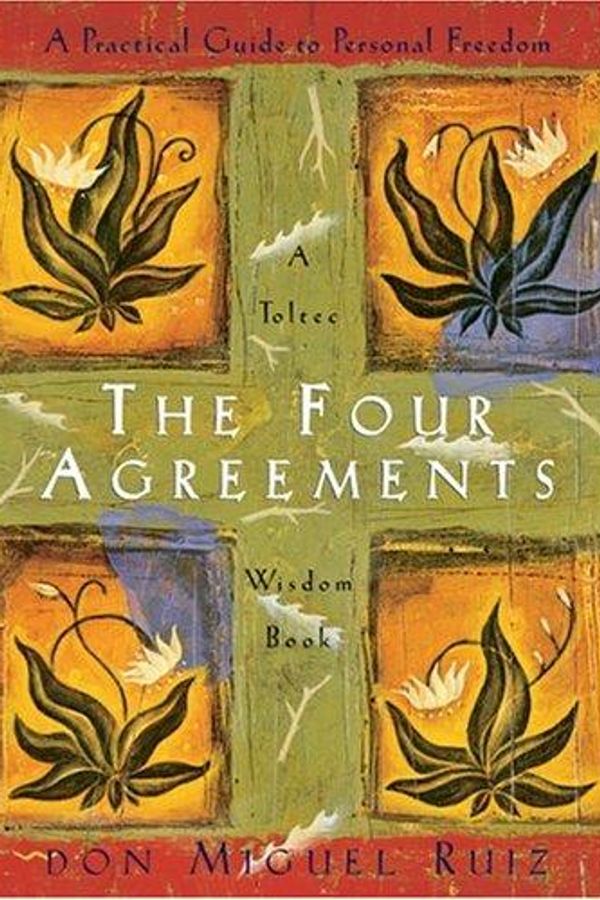
Both authors describe a process of waking up from unconscious patterns, though they use different vocabulary: Ruiz calls it domestication, Tolle calls it identification with the mind. The writing style is conversational and repetitive by design, circling the same ideas from different angles to help them sink in rather than be merely understood intellectually.
Tolle draws on Buddhism, Hinduism, and Christianity without belonging to any single tradition, similar to how Ruiz draws on Toltec wisdom without requiring readers to adopt a specific belief system. Readers who appreciated The Four Agreements' directness and spiritual clarity will find The Power of Now operates in the same territory, with a stronger emphasis on awareness practices and less emphasis on behavioral rules.