

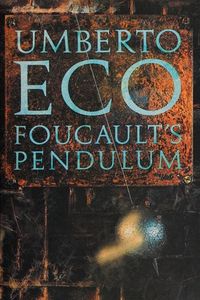





Foucault's Pendulum
Modern Milan publishing replaces a fourteenth-century monastery.
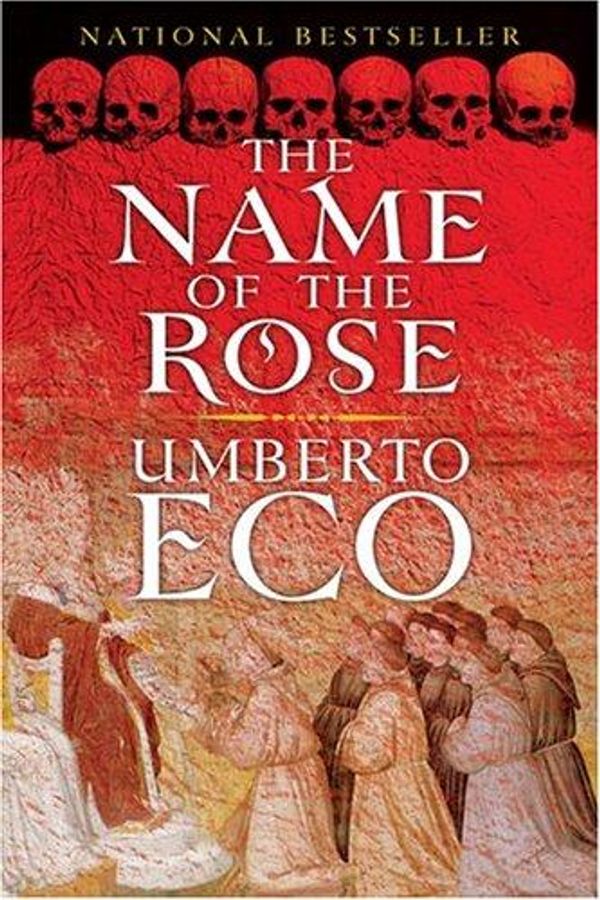
Eco's own Foucault's Pendulum is the most direct companion to The Name of the Rose. Three Milan editors, bored with the conspiracy-theory manuscripts flooding their publishing house, decide to invent a conspiracy of their own, feeding fragments of occult history into a computer to generate The Plan. The joke turns sinister when real occultists take The Plan seriously.
Like The Name of the Rose, this is a novel about the human need to find patterns, about the gap between interpretation and truth, and about what happens when ideas escape the control of their creators. Eco's prose is denser here than in his debut, packed with references to Kabbalah, Templar history, and Renaissance hermeticism that reward the patient reader. Both novels use mystery structures to ask epistemological questions: how do we know what we know, and what are the consequences of knowing too much?
Foucault's Pendulum is set in the twentieth century rather than the fourteenth, but the intellectual atmosphere is the same: claustrophobic, learned, and darkly funny.