




Rich Dad Poor Dad
The advice pushes real estate and entrepreneurship as specific paths.
Robert Kiyosaki wrote Rich Dad Poor Dad as a parable about two fathers with opposite views on money. One father, highly educated, struggled financially. The other, a self-made businessman with less formal schooling, built lasting wealth.
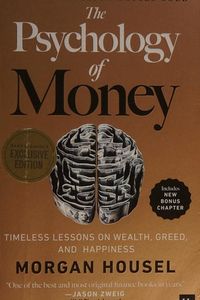
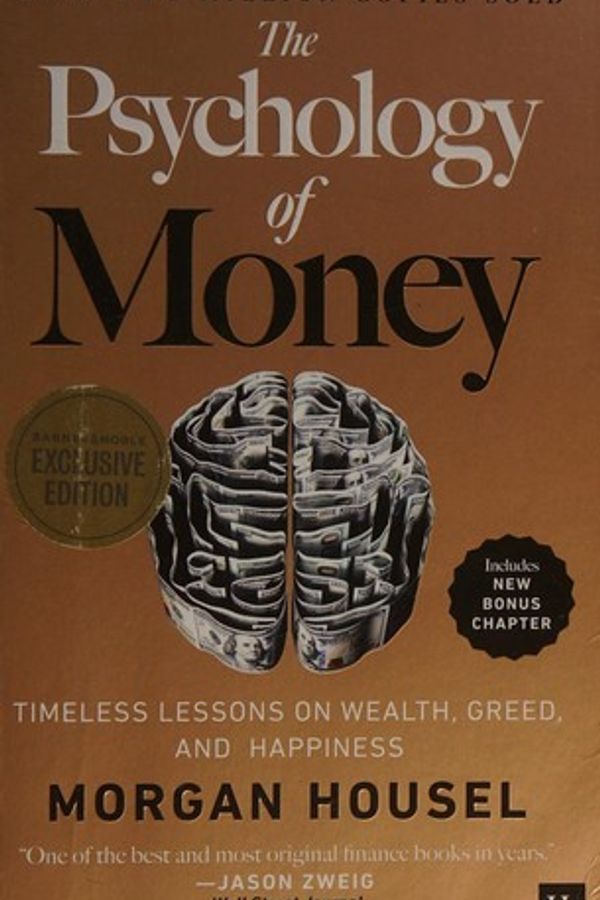
Like Housel, Kiyosaki argues that your mindset about money matters more than your income level. Both books challenge the standard financial advice handed down by schools and parents. Where Housel uses historical anecdotes and data, Kiyosaki uses personal narrative, but the destination is the same: understanding that wealth comes from how you think about assets, liabilities, and risk.
Kiyosaki is more prescriptive, pushing readers toward entrepreneurship and real estate, while Housel stays philosophical. If you appreciated Housel's argument that ordinary people can build wealth through patience and good habits, Kiyosaki gives you a specific framework for putting that mindset into action. Readers who want both the why and the how of building wealth will find these two books work as natural companions.