
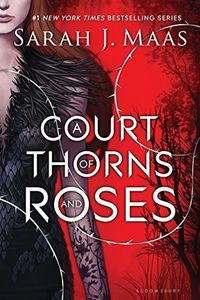





A Court of Thorns and Roses
The mortal heroine enters fae lands rather than a glass castle.
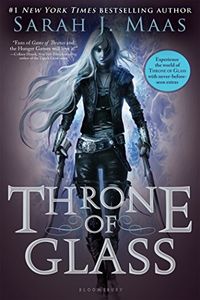
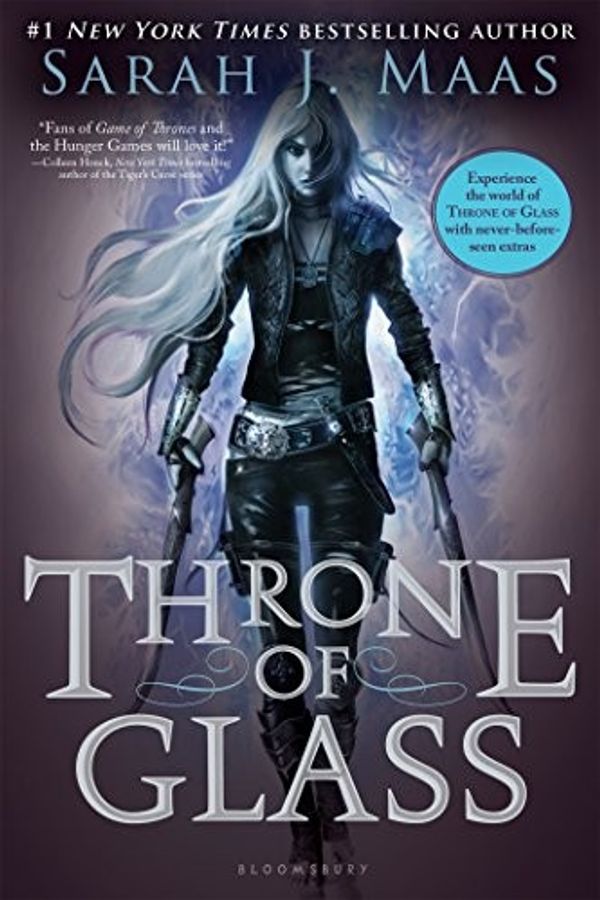
Sarah J. Maas wrote A Court of Thorns and Roses while finishing Throne of Glass, and it shows in the shared DNA. Feyre, a mortal huntress pulled into the faerie lands, starts in a position of powerlessness that mirrors Celaena's time in the salt mines. Both characters claw their way to strength through stubbornness and raw talent, refusing to accept the roles others assign them.
ACOTAR leans harder into romance than Throne of Glass's first book does, building a relationship at its center that drives the entire series. The fae courts provide a different political landscape than Adarlan's human empire, but Maas brings the same attention to power dynamics, dress descriptions, and climactic battle sequences. The series grows darker and more mature as it progresses, mirroring Throne of Glass's tonal shift from tournament thriller to war epic. Maas writes female rage and desire with the same directness in both series, making her heroines want things without apology.
The Spring Court and Night Court offer distinct aesthetic experiences, giving readers the same sense of expanding geography that Throne of Glass delivers as Celaena's world grows beyond the glass castle. If you finished one Maas series and want the other, start here.