





When Breath Becomes Air
A dying neurosurgeon teaches through prose, not conversation.
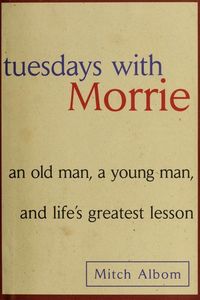
Paul Kalanithi's When Breath Becomes Air chronicles a neurosurgeon's confrontation with his own mortality after being diagnosed with stage IV lung cancer at age 36. Like Tuesdays with Morrie, the book gains its power from the collision between a brilliant mind and an unanswerable question: what makes life meaningful when you know how little of it remains? Kalanithi writes with the precision of a surgeon and the searching honesty of a philosopher, examining how his understanding of death as a doctor failed to prepare him for death as a patient.
Both books share the structure of a teacher passing on wisdom as time runs out, though Kalanithi's teaching happens through the act of writing rather than conversation. The medical detail in When Breath Becomes Air grounds the philosophy in physical reality, just as Morrie's deteriorating body grounds his lessons in undeniable urgency. Kalanithi and Morrie both refuse self-pity, choosing instead to use their remaining time to articulate what they have learned about living.
The book is brief, finished by Kalanithi's wife after his death, and that incompleteness is itself a kind of lesson about the limits of language in the face of loss.