Fahrenheit 451
Fahrenheit 451 is a 1953 dystopian novel by American writer Ray Bradbury. Often regarded as one of his best works, the novel presents a future American society where books are outlawed and "firemen" burn any that are found. The book's tagline explains the title as "'the temperature at which book paper catches fire, and burns": the autoignition temperature of paper. The lead character, Guy Montag, is a fireman who becomes disillusioned with his role of censoring literature and destroying knowledge, eventually quitting his job and committing himself to the preservation of literary and cultural writings. The novel has been the subject of interpretations focusing on the historical role of book burning in suppressing dissenting ideas for change. In a 1956 radio interview, Bradbury said that he wrote Fahrenheit 451 because of his concerns at the time (during the McCarthy era) about the threat of book burning in the United States. In later years, he described the book as a commentary on how mass media reduces interest in reading literature. In 1954, Fahrenheit 451 won the American Academy of Arts and Letters Award in Literature and the Commonwealth Club of California Gold Medal. It

Where Fahrenheit 451 keeps showing up
Six of our editors' lists feature this novel.
Also by Ray Bradbury

Books in conversation with Fahrenheit 451
A few of the closest reads from our full list.

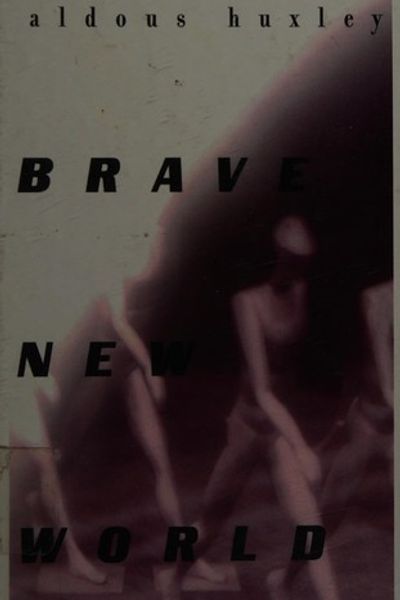
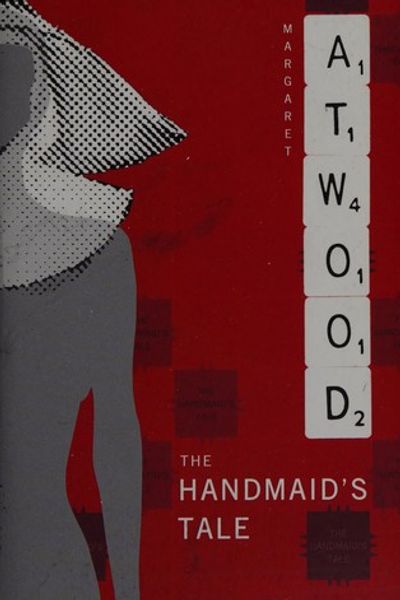
What you might want to know about Fahrenheit 451
The questions readers send us most often, answered without spoilers.
In a near-future America where firemen burn houses that contain books, fireman Guy Montag begins to wonder why. A teenage neighbor named Clarisse, a wife addicted to her wall-screens, and a stolen book push him over.
Yes, ironically. Fahrenheit 451, a novel about book burning, has been banned, censored, and challenged in schools throughout its publication history for its language and its handling of religion. Bradbury himself spoke out against censorship of the book during his lifetime.
Fahrenheit 451 is the temperature at which Bradbury claimed paper auto-ignites and burns. The figure is approximate rather than scientifically precise, but it serves as a memorable shorthand for a society that destroys books with fire.
Yes. Fahrenheit 451 has been adapted twice for film: a 1966 version directed by Francois Truffaut and a 2018 HBO film starring Michael B. Jordan and Michael Shannon.
Fahrenheit 451 is one of the most influential dystopian novels of the 20th century. Its critique of mass media, conformity, and censorship has stayed culturally relevant for over 70 years and remains required reading in many high school and college curricula.
Fahrenheit 451 was written by Ray Bradbury, published in 1953 by Simon & Schuster, Incorporated.
Fahrenheit 451 is 76 pages in standard print editions, though page counts vary slightly between hardcover, paperback, and large-print formats.
At an average reading pace of about 250 words per minute, Fahrenheit 451 takes most readers 1 to 2 hours to finish.
Fahrenheit 451 is a standalone novel by Ray Bradbury, not part of a series.
Fahrenheit 451 is available in hardcover, paperback, ebook, and audiobook formats from Amazon, Bookshop.org, ThriftBooks, and most major bookstores.