


1984
Control works through fear and pain rather than engineered pleasure.
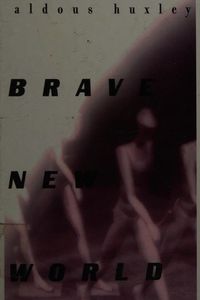
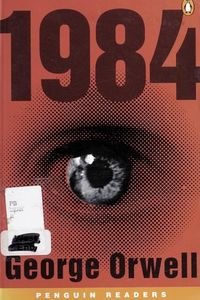
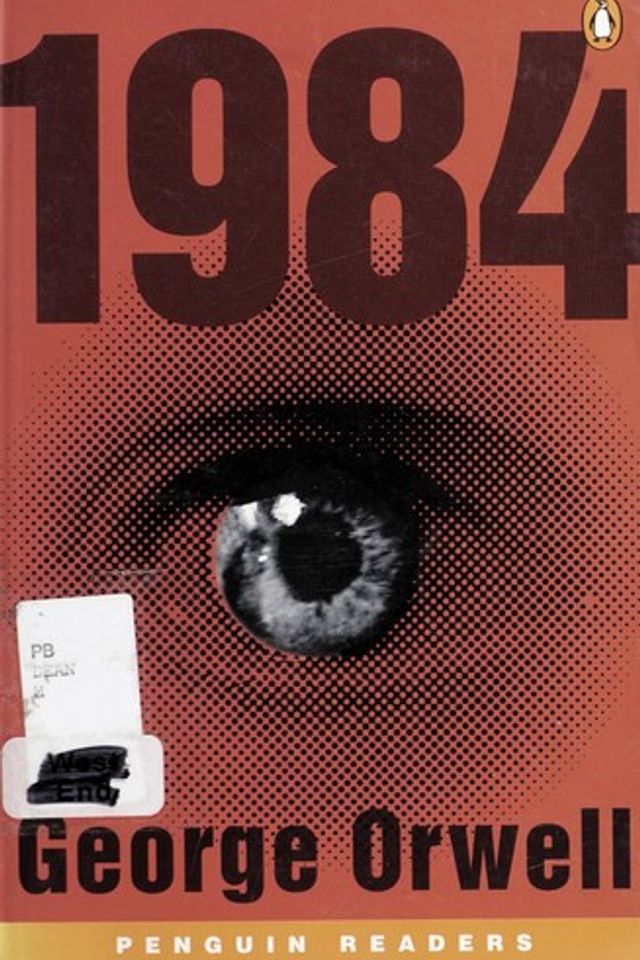
George Orwell's 1984 is the most natural companion to Brave New World, presenting the opposite strategy for totalitarian control. Where Huxley's World State keeps people docile through pleasure, Orwell's Oceania rules through fear, surveillance, and pain. Reading them together reveals the full range of how societies can be manipulated, and the contrast sharpens both novels' arguments.
Winston Smith's London is gray, starving, and monitored by telescreens, the polar opposite of Huxley's gleaming, pleasure-saturated World State, yet both societies achieve the same result: citizens who cannot think independently. Orwell writes with a deliberate flatness that makes Oceania feel oppressively real, creating a tonal contrast with Huxley's more satirical, almost playful style. The romantic subplot in both novels functions identically, with love becoming the one human impulse neither system can fully control.
Both books end by testing whether their protagonists can sustain their rebellion, and the difference in their conclusions reveals the fundamental divide between Huxley's and Orwell's visions of how control operates. This pairing has been required reading in schools for decades, and for good reason: together, these two novels map the boundaries of the dystopian genre.