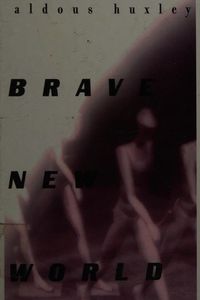






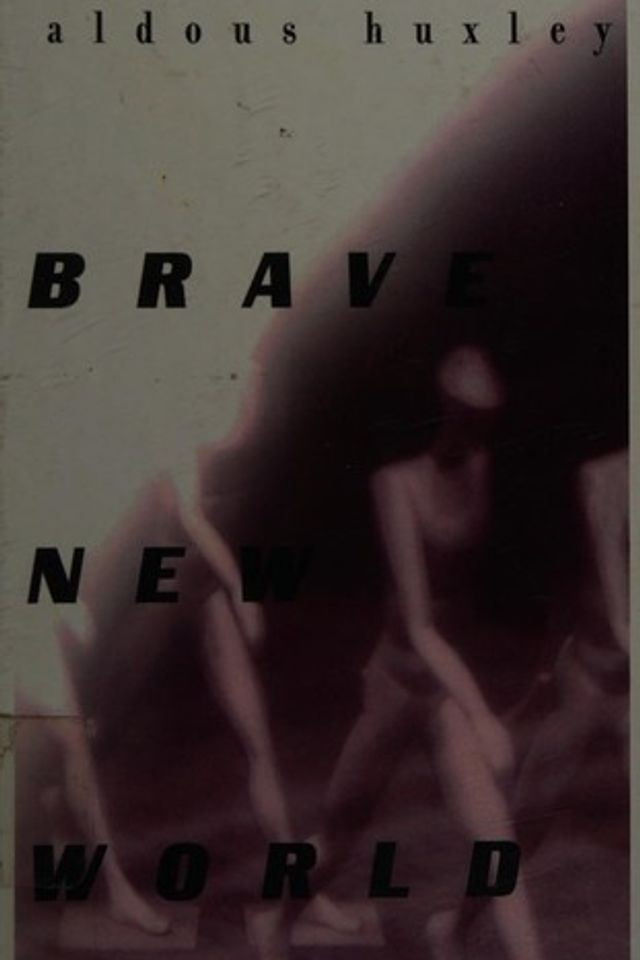
Brave New World
Control works through engineered pleasure rather than fear.
Aldous Huxley's 1932 novel imagines a future where control comes not through pain and surveillance but through pleasure, genetic engineering, and a drug called soma that keeps everyone docile and content. Where Orwell's Party rules through fear, Huxley's World State rules through comfort, and reading the two novels together reveals the full spectrum of how societies can be manipulated. Both books center a protagonist who wakes up to the horror of the system he lives in, but where Winston Smith pushes against the Party's total control, Huxley's Bernard Marx drifts between rebellion and complicity.
The worldbuilding trades Orwell's gray austerity for a glossy, engineered paradise that is disturbing precisely because it looks so appealing on the surface. Huxley predicted consumerism, genetic selection, and the medicalization of unhappiness with an accuracy that feels sharper each decade. The writing style is more satirical and playful than Orwell's spare prose, using the gap between the characters' contentment and the reader's horror as its primary tool.
This is the single most important companion piece to 1984, presenting the other side of the dystopian coin: what happens when people do not need to be forced into submission because they have been engineered to love their chains.