

1984
Truth is rewritten rather than burned.
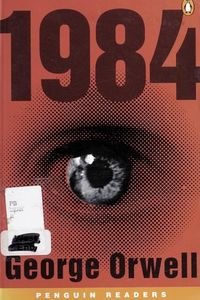
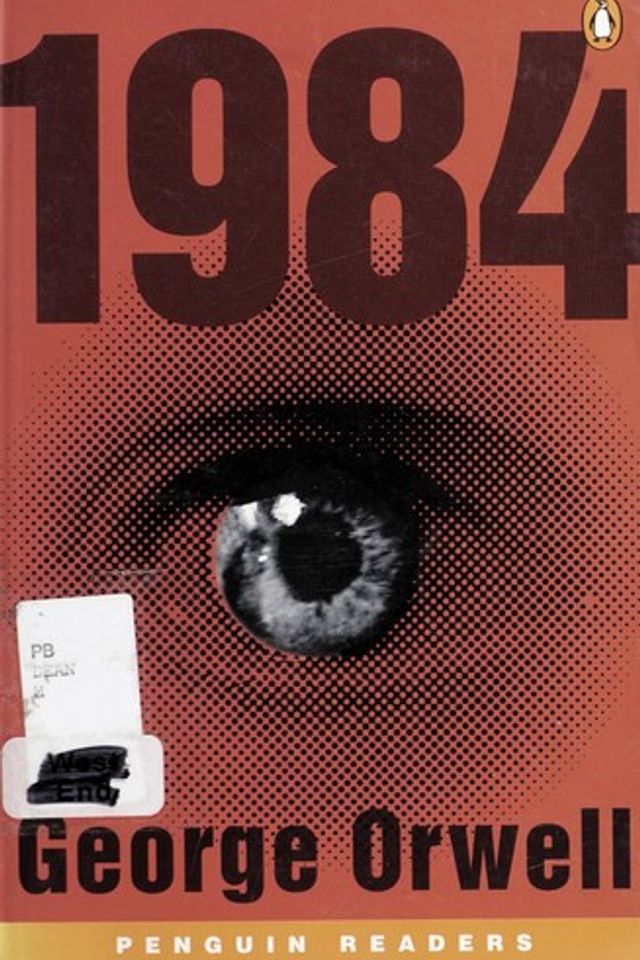
George Orwell's 1984 is the dystopian novel most often paired with Fahrenheit 451, and for good reason. Both novels imagine governments that maintain power by controlling information, but they approach the problem from different angles. Bradbury's society burns books because people stopped caring enough to read them. Orwell's Party rewrites history in real time, making truth itself impossible to pin down.
Winston Smith's rebellion against Big Brother mirrors Montag's awakening, but Orwell pushes his protagonist's fate to a darker conclusion than Bradbury allows. The concept of Newspeak, a language designed to make dissent literally unthinkable, takes Bradbury's fear of intellectual death and gives it a specific mechanism. Orwell writes with a cold, documentary precision that contrasts sharply with Bradbury's poetic style, and that difference makes reading the two back to back a richer experience. Where Bradbury mourns the loss of beauty and imagination, Orwell focuses on the loss of factual truth.
Together, the two novels cover the full range of what a society loses when it lets its government control what people know. 1984 remains the essential starting point for anyone who wants more fiction in the vein of Fahrenheit 451.