








The Color Purple
The epistolary letters replace ghostly haunting.
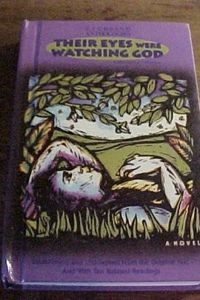
Alice Walker's The Color Purple follows Celie, a poor Black woman in rural Georgia, as she endures decades of abuse before finding her voice through love, friendship, and community. The novel shares Beloved's interest in how Black women survive systems designed to destroy them, and Walker writes with the same fierce insistence on her characters' dignity that defines Morrison's work. The epistolary structure, told through Celie's letters to God and her sister Nettie, creates an intimacy that makes every small victory feel hard-won and every act of cruelty land with visceral force.
Both novels track the psychological damage of oppression while refusing to reduce their protagonists to mere victims, showing instead how love and solidarity create space for healing even in the harshest conditions. Walker's prose is plainer than Morrison's, rooted in vernacular speech rather than poetic imagery, but it achieves the same effect of making readers feel the full weight of a life lived under systematic dehumanization. The transformation Celie undergoes by the novel's end carries a power that stays in the mind the way Beloved's haunting does.
Both books have faced censorship attempts, which only confirms the importance of the truths they tell.