




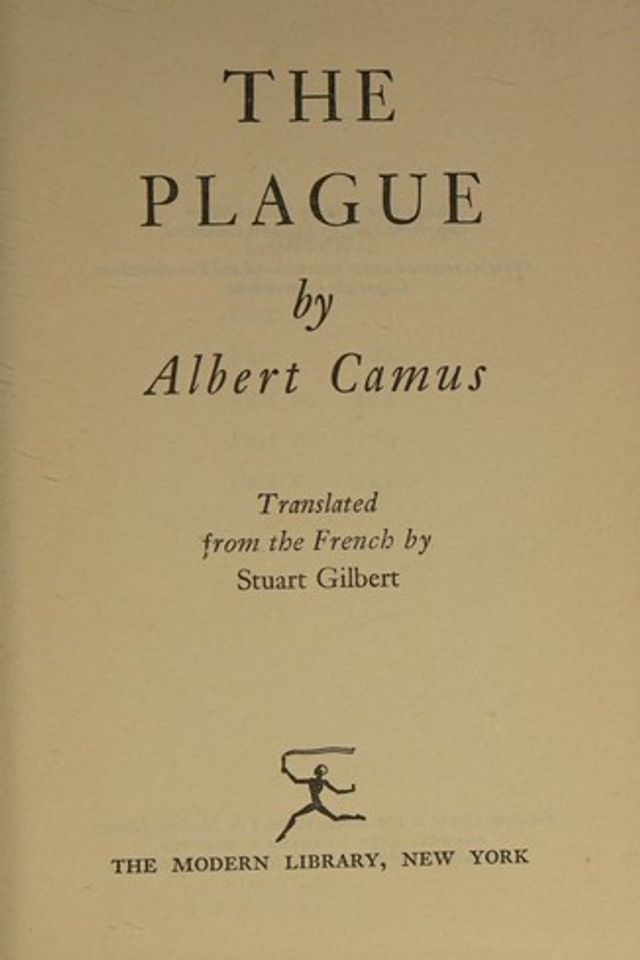
The Plague
A bubonic plague in Algeria replaces mass sudden blindness.
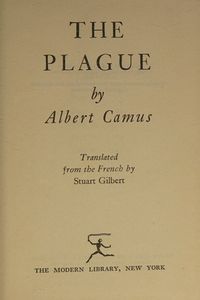
Albert Camus's The Plague follows the residents of the Algerian city of Oran as a bubonic plague outbreak forces a quarantine that traps everyone inside the city walls. Camus uses the epidemic as an allegory for the human condition, examining how ordinary people respond to absurd and inescapable suffering. The novel shares Blindness's interest in how catastrophe reveals character, showing some people rising to heroism while others retreat into selfishness, denial, or despair.
Both authors use the plague as a stripping agent, removing the comfortable routines that allow people to avoid existential questions. Camus writes with a philosophical precision that complements Saramago's more flowing style, and both novels achieve their power through observation of small human details rather than grand dramatic gestures. The doctor Rieux becomes a moral center not through heroic action but through steady commitment to treating the sick regardless of whether his efforts make a difference.
Both novels ultimately argue that meaning must be created through solidarity and shared effort, even in circumstances that make such efforts seem futile. This is the most direct literary ancestor of Blindness and the single essential companion text.