
The Road
A father's love replaces violence as the organizing force.
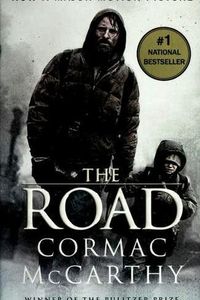
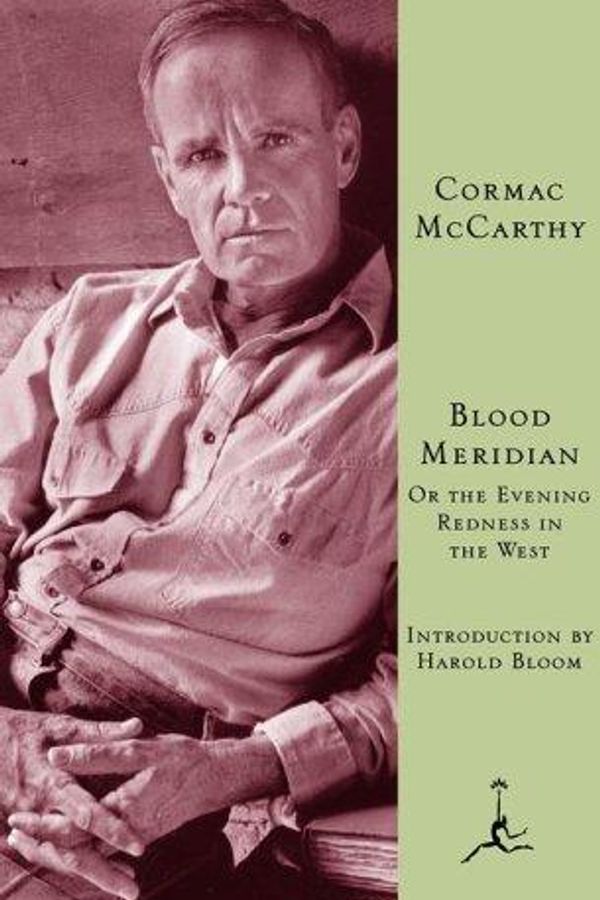
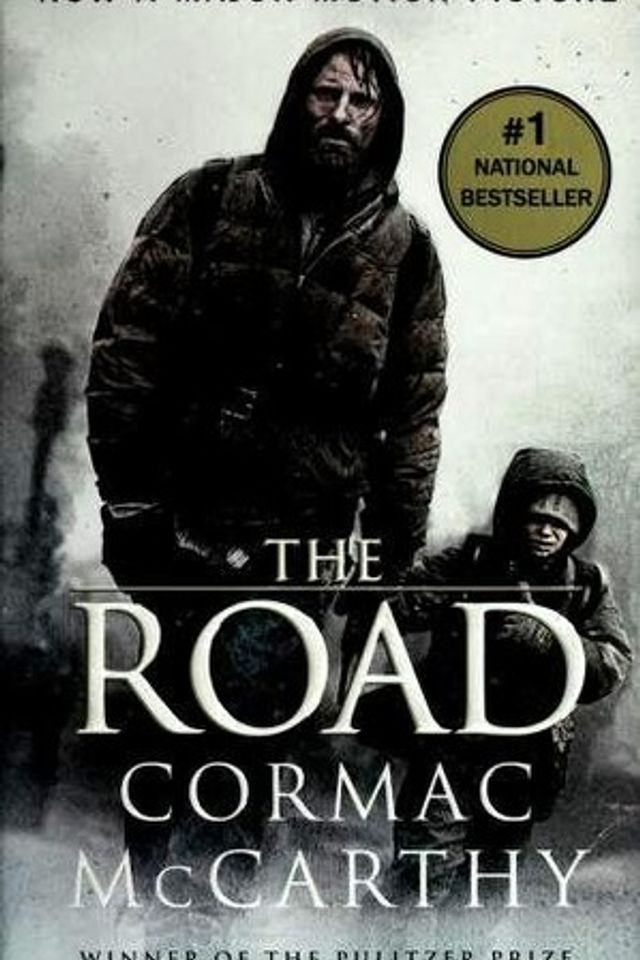
McCarthy's own The Road stands as the most natural companion to Blood Meridian, stripping the author's vision to its most essential elements. A father and son walk through an ash-covered post-apocalyptic landscape where cannibalism has become routine and every other human being is a potential threat. Where Blood Meridian finds a terrible sublimity in violence, The Road finds it in love, presenting the father's devotion to his son as the last meaningful act in a world emptied of meaning.
McCarthy's prose has been pared down from Blood Meridian's baroque periods to something starker and more elemental, matching the barren world with sentences that carry weight in the spaces between words. Both novels share the conviction that the physical world is indifferent to human suffering and that meaning must be created rather than discovered. The Judge's philosophy that war is the ultimate human activity finds its counterargument in the father's belief that protecting one small life justifies enduring anything.
The two books together form a complete statement about what McCarthy sees when he looks at humanity: the capacity for both absolute destruction and absolute love.