







search
auto_stories

Start typing to search our library

Books like Flowers for Algernon

Books that share unusual minds, first-person transformation, and the ethical cost of experimentation with Flowers for Algernon.

15
Picks
Wren Calloway
Curated by
Jul 2026
Updated
Flowers for Algernon cover
BOOKS SIMILAR TO
2022Published
274Pages
Science Fiction Genre

The essential companions

Never Let Me Go cover
Year 2005 Pages 288 Genre Literary Fiction Match 90%

Never Let Me Go

But diverges

Cloned organ donors replace a single experimental subject.

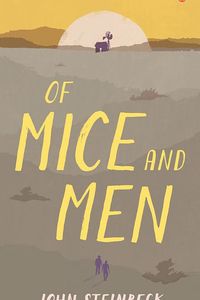
Of Mice and Men cover
Year 1937 Pages 119 Genre Fantasy Match 87%

Of Mice and Men

But diverges

Depression-era farmwork replaces experimental surgery.

✦ AI Suggestions

None of these quite right?

Hand us a few books you've loved and we'll surface ten matches in seconds, with reasoning, not just covers.

Try AI Suggestions
The Kite Runner cover
Year 2003 Pages 96 Genre Literary Fiction Match 72%

The Kite Runner

But diverges

Childhood betrayal in Afghanistan replaces cognitive transformation.

The Curious Incident of the Dog in the Night-Time cover
Year 2002 Pages 256 Genre Mystery Match 85%

The Curious Incident of the Dog in the Night-Time

But diverges

Christopher's mind never changes across the narrative.

A Thousand Splendid Suns cover
Year 2007 Pages 406 Genre Historical Fiction Match 70%

A Thousand Splendid Suns

But diverges

Political oppression of women replaces scientific experimentation.

One Flew Over the Cuckoo's Nest cover
Year 2015 Pages 311 Genre Literary Fiction Match 80%

One Flew Over the Cuckoo's Nest

But diverges

A charismatic rebel, not a gentle subject, leads the challenge.

The Bell Jar cover
Year 1963 Pages 258 Genre Literary Fiction Match 78%

The Bell Jar

But diverges

Mental breakdown, not cognitive enhancement, shapes the descent.

Klara and the Sun cover
Year 2021 Pages 330 Genre Literary Fiction Match 89%

Klara and the Sun

But diverges

An artificial friend replaces a lab-altered man.

Speak cover
Year 2019 Pages 219 Genre Non-Fiction Match 84%

Speak

But diverges

Five interwoven voices replace a single progress journal.

The Speed of Dark cover
Year 2002 Pages 368 Genre Science Fiction Match 90%

The Speed of Dark

But diverges

A near-future workplace replaces a 1950s lab.

Hidden gem readalikes

The Memory Police cover
Year Pages Genre Dystopian Match 82%

The Memory Police

But diverges

A vanishing island replaces a single fading intellect.

Still Alice cover
Year 2007 Pages 319 Genre Literary Fiction Match 86%

Still Alice

But diverges

Early-onset Alzheimer’s replaces a lab procedure.

Galatea 2.2 cover
Year 1995 Pages 333 Genre Literary Fiction Match 83%

Galatea 2.2

But diverges

A neural network learning literature replaces a man learning to think.

New release readalikes

The Mountain in the Sea cover
Year 2022 Pages 464 Genre Science Fiction Match 85%

The Mountain in the Sea

But diverges

Octopus and android minds replace a single altered man.

We Lived on the Horizon
Year 2025 Pages 336 Genre Science Fiction Match 81%

We Lived on the Horizon

But diverges

A walled post-collapse city replaces a 1950s clinic.

Why are these books similar to Flowers for Algernon?

These picks reflect the qualities that make Daniel Keyes's novel so devastating: the experience of intelligence as both gift and burden, narrators whose reliability shifts under the reader's feet, and stories that ask how much of our identity is tied to the minds we happen to have. Flowers for Algernon is a novel about what we owe to people the world treats as less than, and every recommendation here wrestles with that question from a different direction.

The list ranges from the quiet devastation of students bred for a purpose they were never meant to question to institutional rebellion by patients who refuse to be defined by their diagnoses to the suffocating pressure of a brilliant mind turning against itself.

This list is curated for readers who want books similar to Flowers for Algernon that treat vulnerability as strength rather than weakness, and who believe the most important stories are often told by the characters society least wants to hear from.

D

Daniel Keyes

Explore more books →