
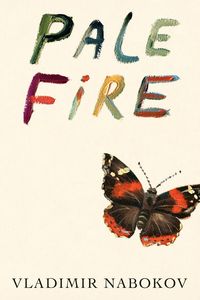



Pale Fire
A poem and academic commentary replace a straight confessional memoir.
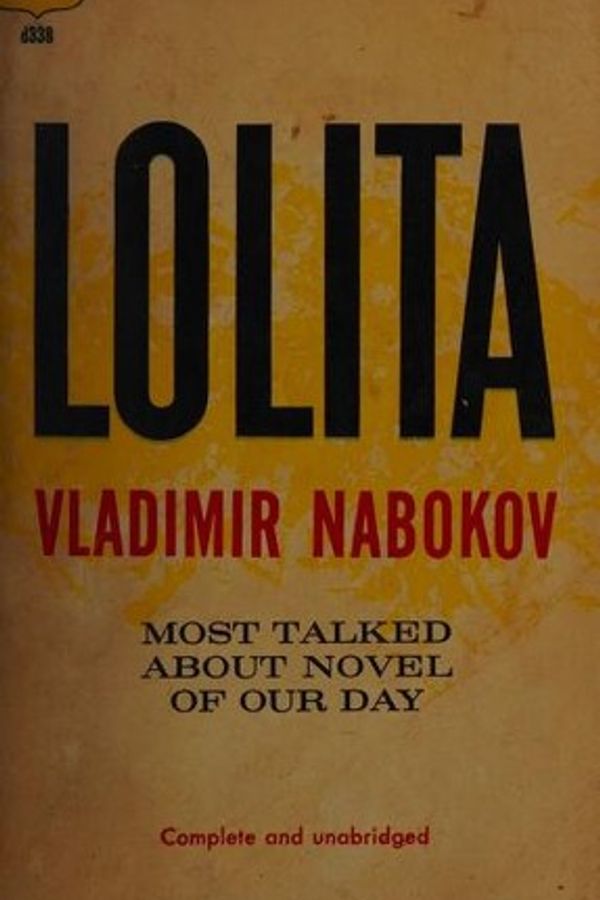
Nabokov's Pale Fire takes the form of a 999-line poem by the recently murdered poet John Shade, followed by an extensive commentary by Charles Kinbote, a colleague whose annotations gradually reveal a story that has nothing to do with the poem and everything to do with Kinbote's own delusions. Like Lolita, the novel features a narrator whose elaborate verbal performance is designed to control the reader's perception, and like Humbert, Kinbote is simultaneously brilliant, pathetic, and possibly dangerous.
Nabokov's prose is just as dazzling here as in Lolita, but the puzzle-box structure adds a layer of formal invention that gives the reader even more to untangle. Both novels are fundamentally about the gap between the story the narrator wants to tell and the story that actually happened, and both reward multiple readings as new details emerge.
Pale Fire is funnier and more playful than Lolita, with Kinbote's academic pomposity providing rich comedy. Readers who admire Nabokov's verbal artistry and his interest in unreliable narration will find Pale Fire an irresistible next read.