
Crime and Punishment
A destitute student murders a pawnbroker and is consumed by guilt, paranoia, and the question of whether he is above moral law.


Where Crime and Punishment keeps showing up
Five of our editors' lists feature this novel.
Also by Fyodor Dostoevsky

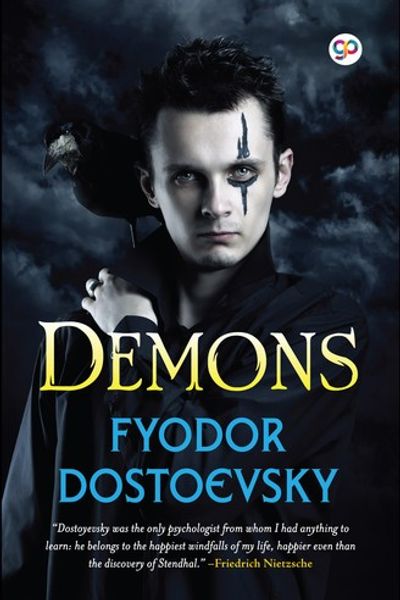
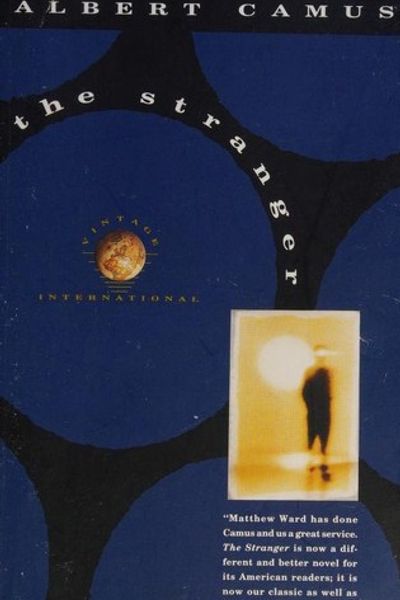
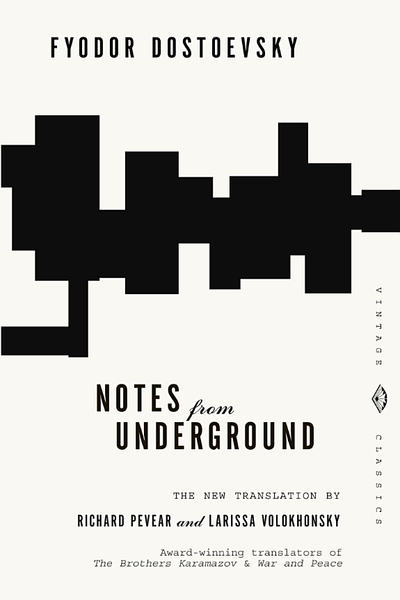
Books in conversation with Crime and Punishment
A few of the closest reads from our full list.
What you might want to know about Crime and Punishment
The questions readers send us most often, answered without spoilers.
In nineteenth-century Saint Petersburg, impoverished former student Raskolnikov develops a theory that extraordinary men are above the law and tests it on a pawnbroker. The rest of the novel watches him try to live with it.
Crime and Punishment uses long Russian sentences, dense psychological monologues, and a large cast with patronymics. Modern translations, especially by Pevear and Volokhonsky or Constance Garnett, are accessible. The intensity is more demanding than the prose itself.
Yes. Crime and Punishment was published in 1866 and is in the public domain. Free editions of older translations are available through Project Gutenberg. Modern translations remain copyrighted.
Crime and Punishment was written by Fyodor Dostoevsky, published in 1866 by Random House.
Crime and Punishment is 582 pages in standard print editions, though page counts vary slightly between hardcover, paperback, and large-print formats.
At an average reading pace of about 250 words per minute, Crime and Punishment takes most readers 9 to 13 hours to finish.
Crime and Punishment is a standalone novel by Fyodor Dostoevsky, not part of a series.
Crime and Punishment is available in hardcover, paperback, ebook, and audiobook formats from Amazon, Bookshop.org, ThriftBooks, and most major bookstores.