







Klara and the Sun
A robotic companion replaces a human clone narrator.
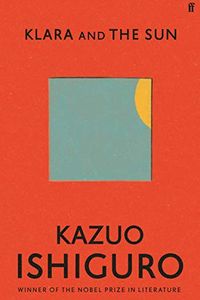
Ishiguro's own Klara and the Sun returns to the questions Never Let Me Go raised but approaches them from a different angle. Klara is an Artificial Friend, a solar-powered robot purchased to be a companion to Josie, a sickly teenager. Narrated entirely from Klara's perspective, the novel examines love, sacrifice, and consciousness through eyes that are literally not human.
Like Never Let Me Go, Klara and the Sun uses a speculative premise to ask what it means to have a soul, and both novels feature narrators whose understanding is limited in ways that create dramatic irony for the reader. Klara's innocence mirrors Kathy's: both accept their circumstances with a compliance that is simultaneously touching and disturbing. Ishiguro's prose is as controlled and understated as ever, with every sentence carrying more weight than its surface suggests.
Where Never Let Me Go is about children bred for a purpose they cannot escape, Klara and the Sun is about a being designed for a purpose she embraces willingly, and the parallel raises uncomfortable questions about the difference between acceptance and submission.